
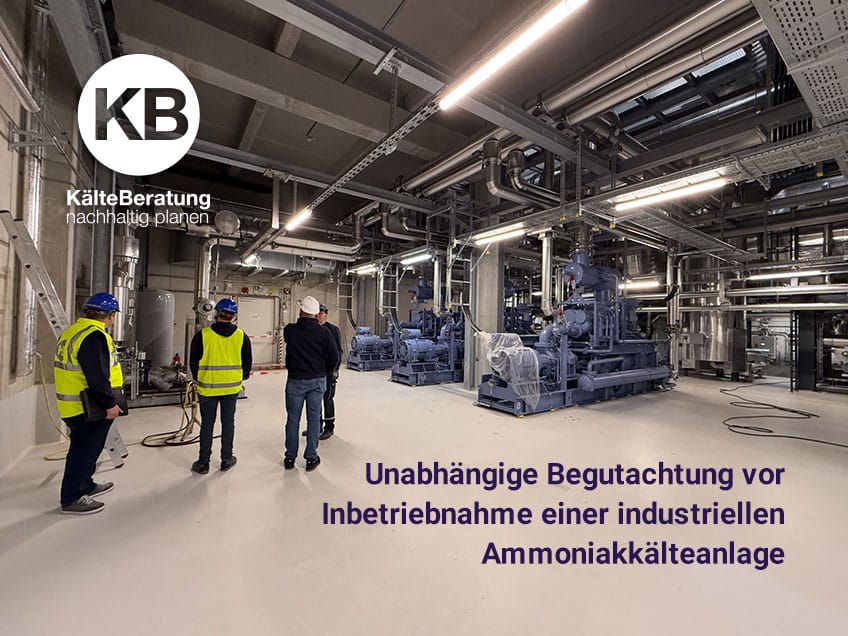
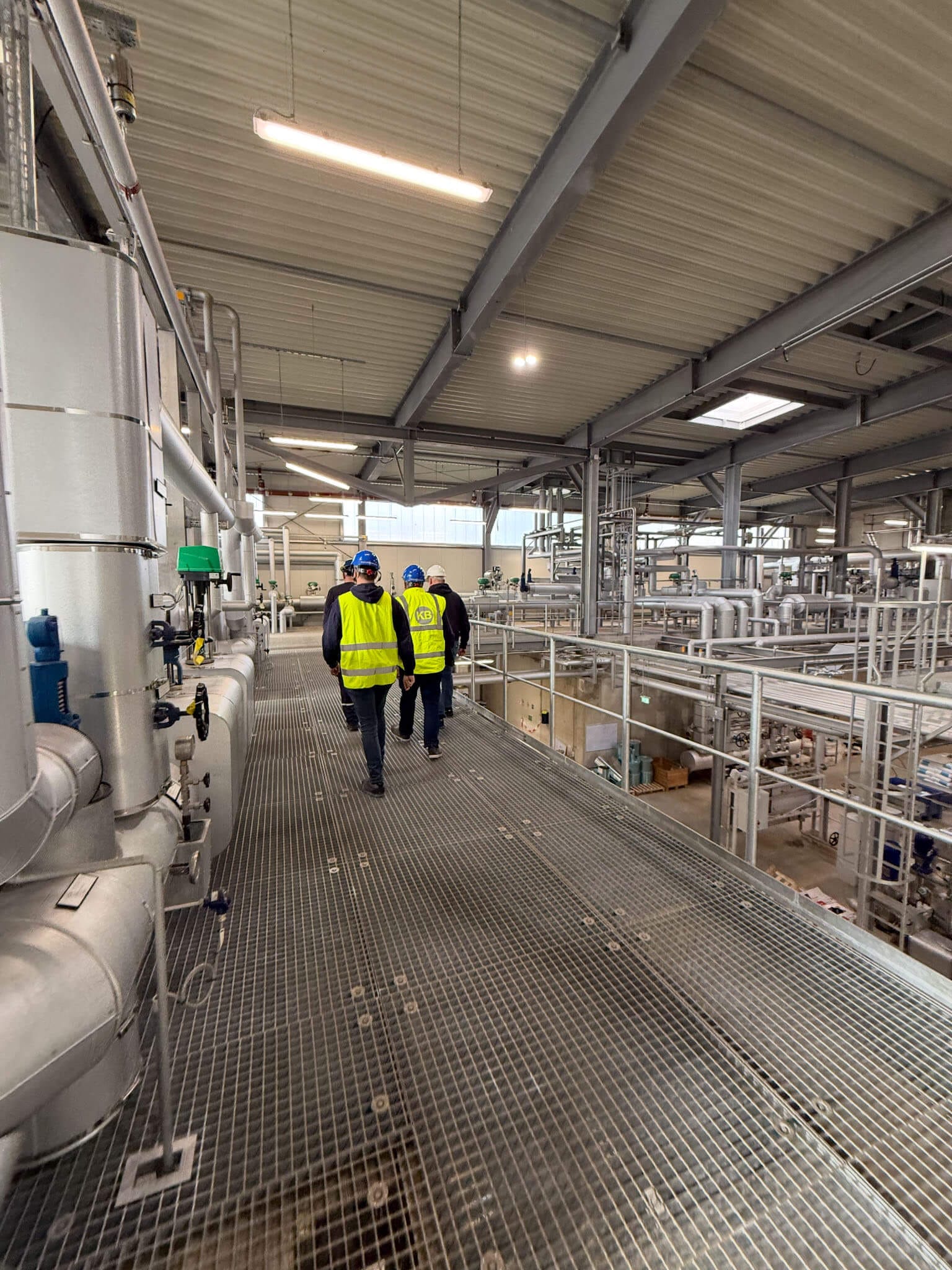
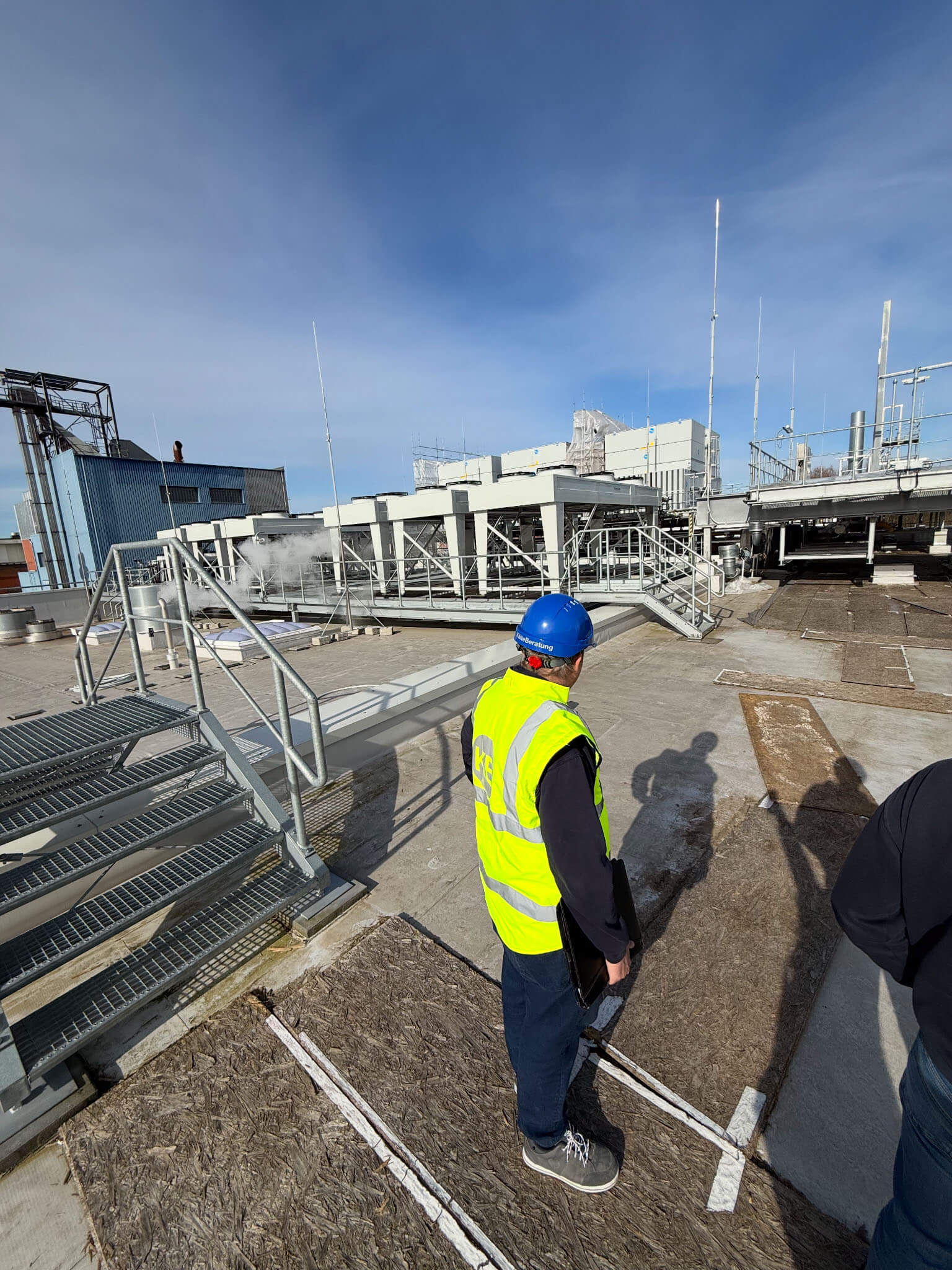
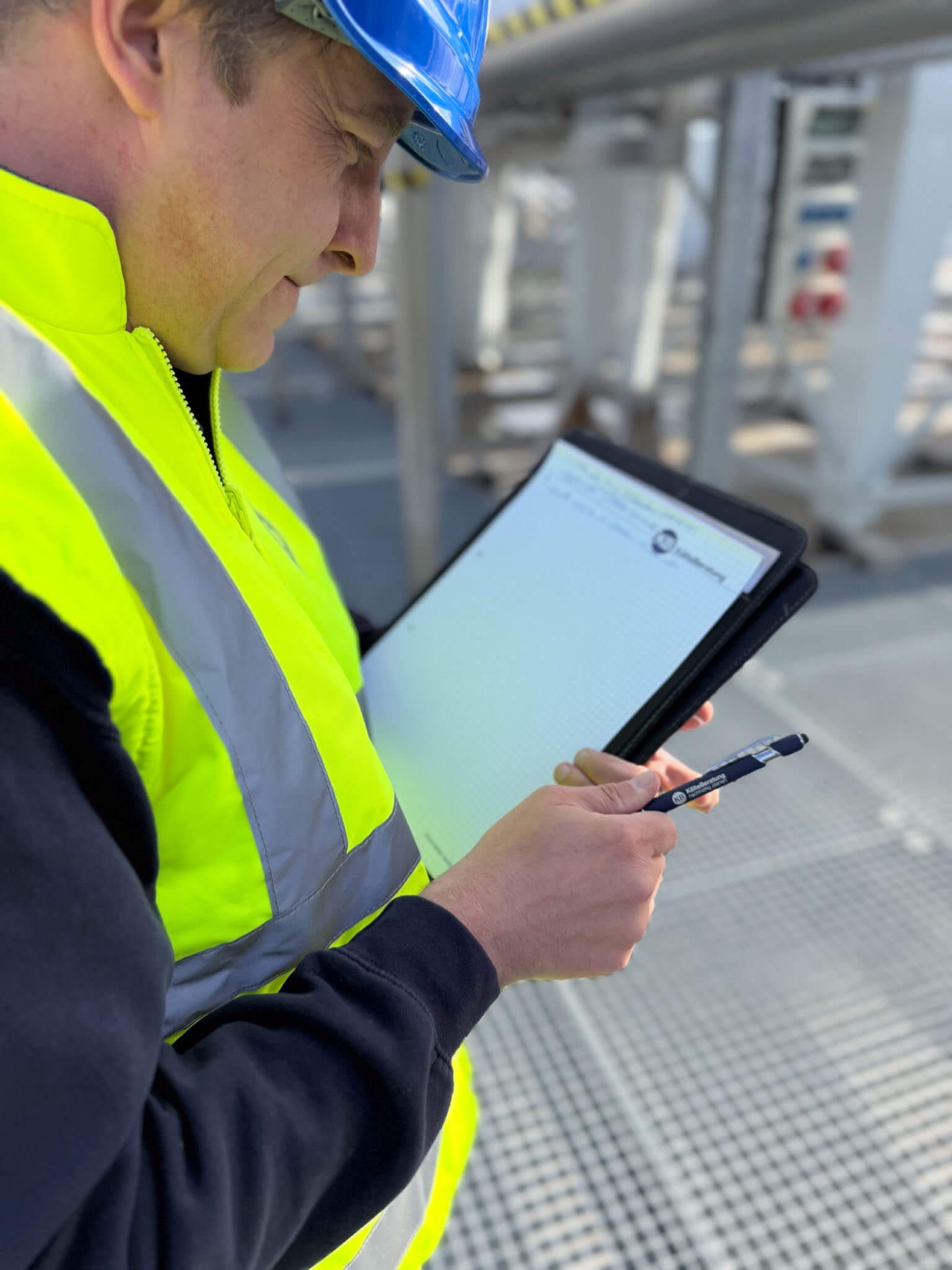
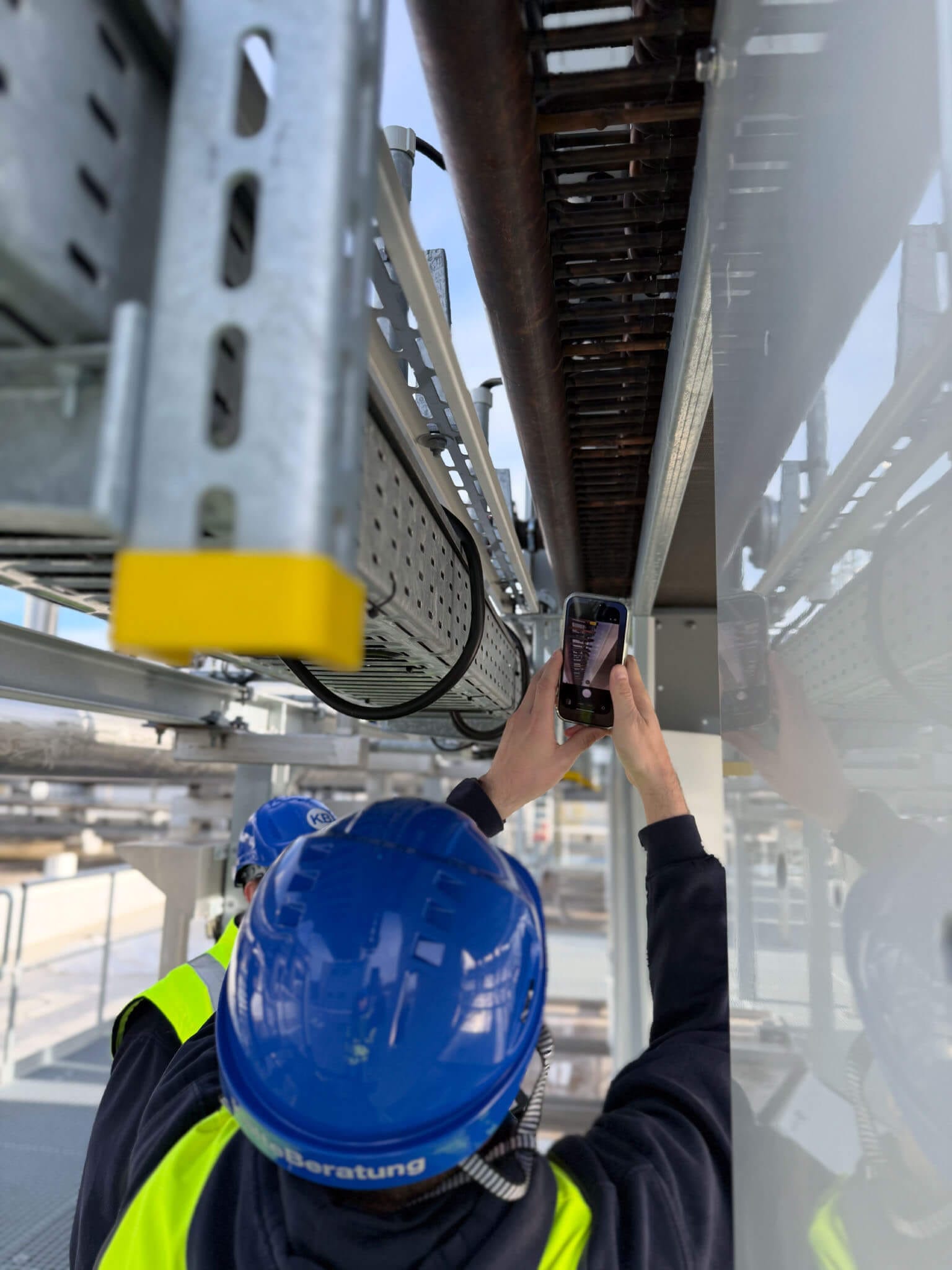
Independent Assessment Prior to the Commissioning of an Industrial Ammonia Refrigeration System
-

- Unabhängige Begutachtung vor Inbetriebnahme einer industriellen Ammoniakkälteanlage | KB KälteBeratung
-
- Unabhängige Begutachtung vor Inbetriebnahme einer industriellen Ammoniakkälteanlage | KB KälteBeratung
-
- Unabhängige Begutachtung vor Inbetriebnahme einer industriellen Ammoniakkälteanlage | KB KälteBeratung
-
- Unabhängige Begutachtung vor Inbetriebnahme einer industriellen Ammoniakkälteanlage | KB KälteBeratung
-
- Unabhängige Begutachtung vor Inbetriebnahme einer industriellen Ammoniakkälteanlage | KB KälteBeratung
-
- Unabhängige Begutachtung vor Inbetriebnahme einer industriellen Ammoniakkälteanlage | KB KälteBeratung
-
- Unabhängige Begutachtung vor Inbetriebnahme einer industriellen Ammoniakkälteanlage | KB KälteBeratung
-
- Unabhängige Begutachtung vor Inbetriebnahme einer industriellen Ammoniakkälteanlage | KB KälteBeratung
-
- Unabhängige Begutachtung vor Inbetriebnahme einer industriellen Ammoniakkälteanlage | KB KälteBeratung
-
- Unabhängige Begutachtung vor Inbetriebnahme einer industriellen Ammoniakkälteanlage | KB KälteBeratung
-
- Unabhängige Begutachtung vor Inbetriebnahme einer industriellen Ammoniakkälteanlage | KB KälteBeratung
-
- Unabhängige Begutachtung vor Inbetriebnahme einer industriellen Ammoniakkälteanlage | KB KälteBeratung
-
- Unabhängige Begutachtung vor Inbetriebnahme einer industriellen Ammoniakkälteanlage | KB KälteBeratung
-
- Unabhängige Begutachtung vor Inbetriebnahme einer industriellen Ammoniakkälteanlage | KB KälteBeratung
-
- Unabhängige Begutachtung vor Inbetriebnahme einer industriellen Ammoniakkälteanlage | KB KälteBeratung
-
- Unabhängige Begutachtung vor Inbetriebnahme einer industriellen Ammoniakkälteanlage | KB KälteBeratung
-
- Unabhängige Begutachtung vor Inbetriebnahme einer industriellen Ammoniakkälteanlage | KB KälteBeratung
-
- Unabhängige Begutachtung vor Inbetriebnahme einer industriellen Ammoniakkälteanlage | KB KälteBeratung
-
- Unabhängige Begutachtung vor Inbetriebnahme einer industriellen Ammoniakkälteanlage | KB KälteBeratung
-
- Unabhängige Begutachtung vor Inbetriebnahme einer industriellen Ammoniakkälteanlage | KB KälteBeratung
-
- Unabhängige Begutachtung vor Inbetriebnahme einer industriellen Ammoniakkälteanlage | KB KälteBeratung
-
- Unabhängige Begutachtung vor Inbetriebnahme einer industriellen Ammoniakkälteanlage | KB KälteBeratung
-
- Unabhängige Begutachtung vor Inbetriebnahme einer industriellen Ammoniakkälteanlage | KB KälteBeratung
-
- Unabhängige Begutachtung vor Inbetriebnahme einer industriellen Ammoniakkälteanlage | KB KälteBeratung
-
- Unabhängige Begutachtung vor Inbetriebnahme einer industriellen Ammoniakkälteanlage | KB KälteBeratung
-
- Unabhängige Begutachtung vor Inbetriebnahme einer industriellen Ammoniakkälteanlage | KB KälteBeratung
-
- Unabhängige Begutachtung vor Inbetriebnahme einer industriellen Ammoniakkälteanlage | KB KälteBeratung
-
- Unabhängige Begutachtung vor Inbetriebnahme einer industriellen Ammoniakkälteanlage | KB KälteBeratung
-
- Unabhängige Begutachtung vor Inbetriebnahme einer industriellen Ammoniakkälteanlage | KB KälteBeratung
-
- Unabhängige Begutachtung vor Inbetriebnahme einer industriellen Ammoniakkälteanlage | KB KälteBeratung
-
- Unabhängige Begutachtung vor Inbetriebnahme einer industriellen Ammoniakkälteanlage | KB KälteBeratung
-
- Unabhängige Begutachtung vor Inbetriebnahme einer industriellen Ammoniakkälteanlage | KB KälteBeratung
-
- Unabhängige Begutachtung vor Inbetriebnahme einer industriellen Ammoniakkälteanlage | KB KälteBeratung
-
- Unabhängige Begutachtung vor Inbetriebnahme einer industriellen Ammoniakkälteanlage | KB KälteBeratung
-
- Unabhängige Begutachtung vor Inbetriebnahme einer industriellen Ammoniakkälteanlage | KB KälteBeratung
-
- Unabhängige Begutachtung vor Inbetriebnahme einer industriellen Ammoniakkälteanlage | KB KälteBeratung