KB - Kälteberatung - Euroshop 23

Blog

Refrigeration in the Food Industry | KB KälteBeratung

We See Food. Behind It Is a Cold Chain.

Why refrigeration is an invisible part of our food supply

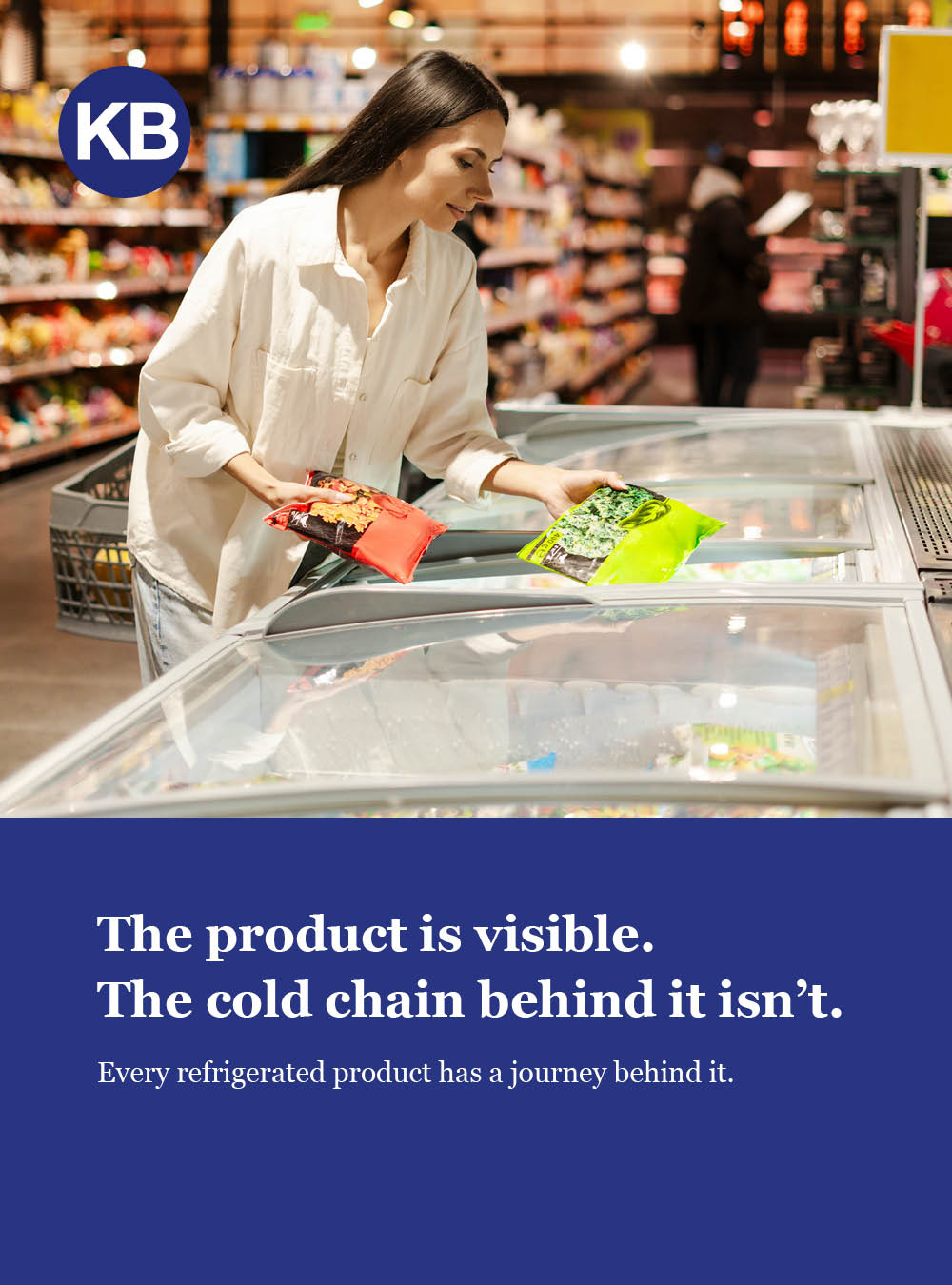
A pot of yoghurt in the chilled aisle. Fresh produce on display. Frozen food, meat, fish or drinks.

We take it for granted that these products are available in consistent quality whenever we need them. What we rarely see is the journey they have already made before reaching the supermarket — through production facilities, cold rooms, warehouses, distribution centres and refrigerated transport.

One factor connects every stage of that journey: temperature.

Refrigeration is therefore much more than a technical element of modern food production. It is part of an infrastructure that links the different stages of our food supply.

The cold chain starts long before the supermarket

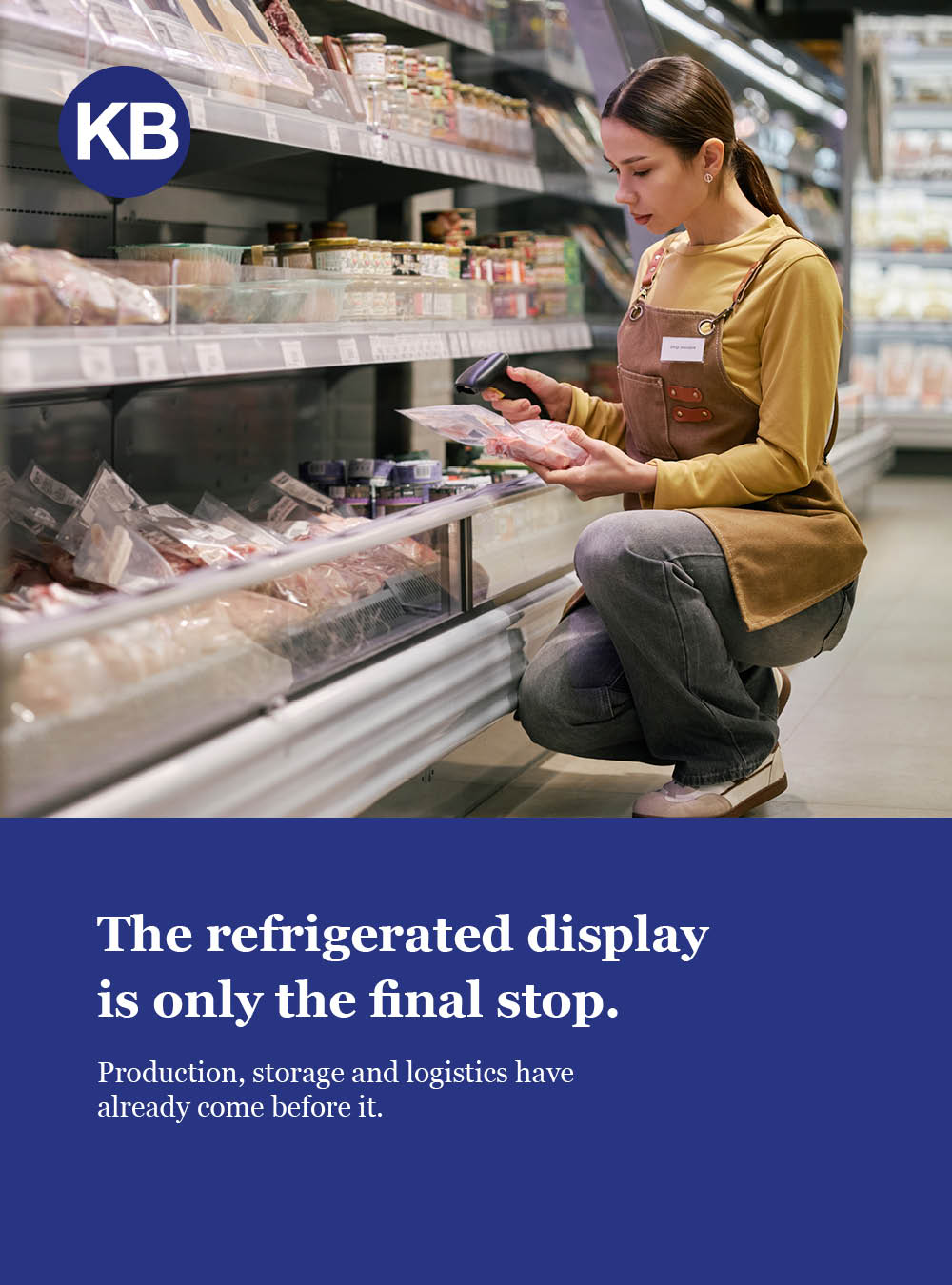
The refrigerated display cabinet is only the most visible part of a much larger system.

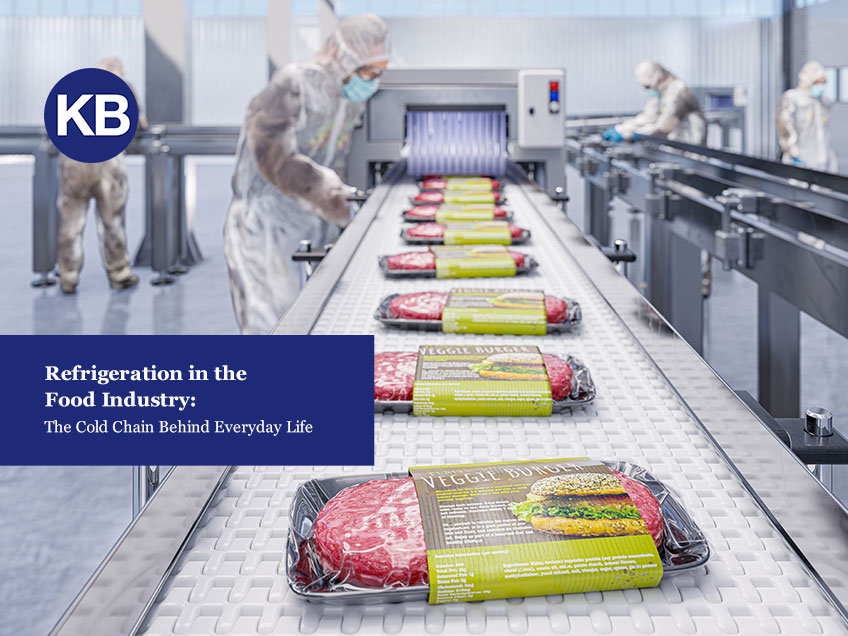
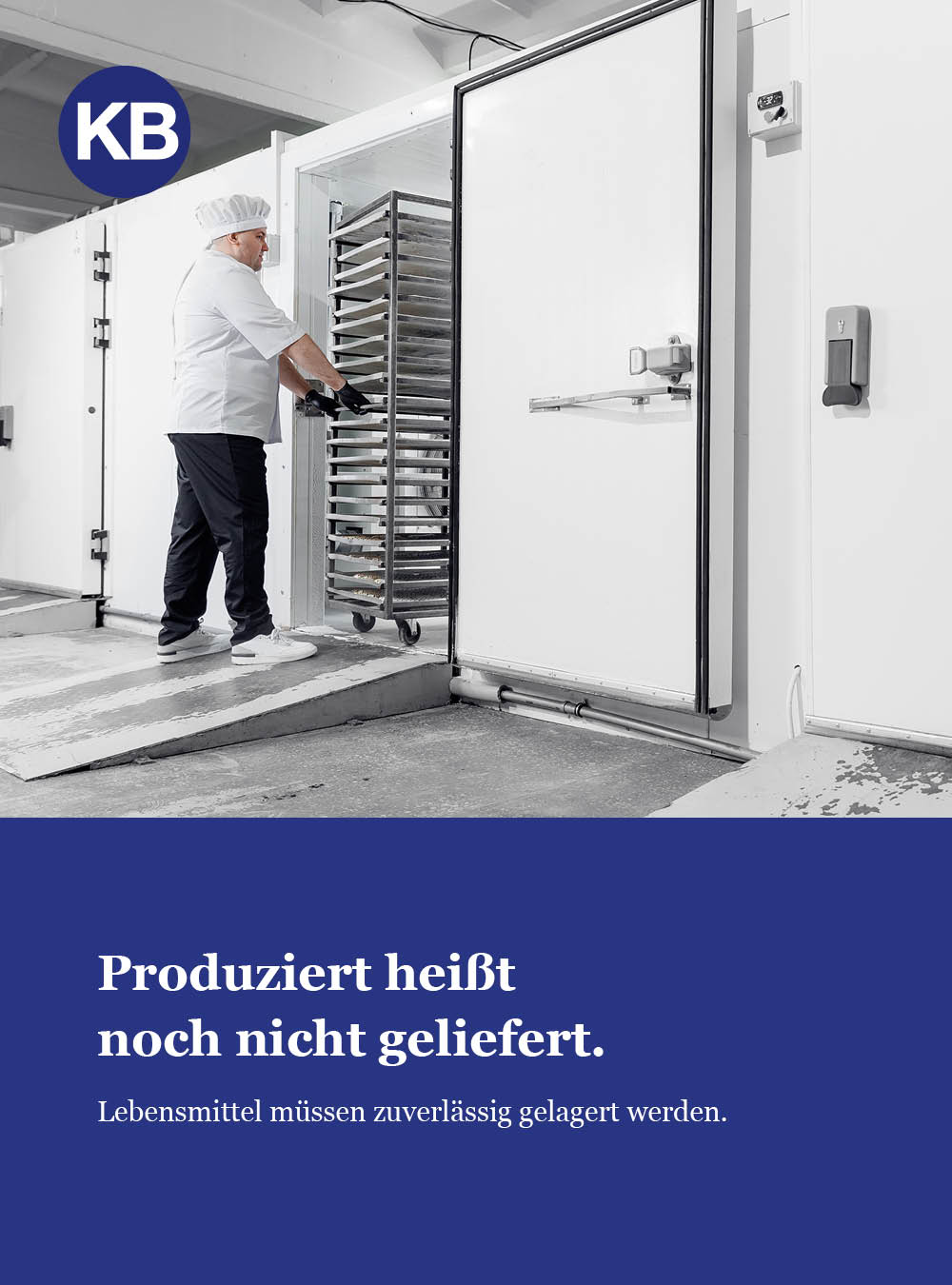
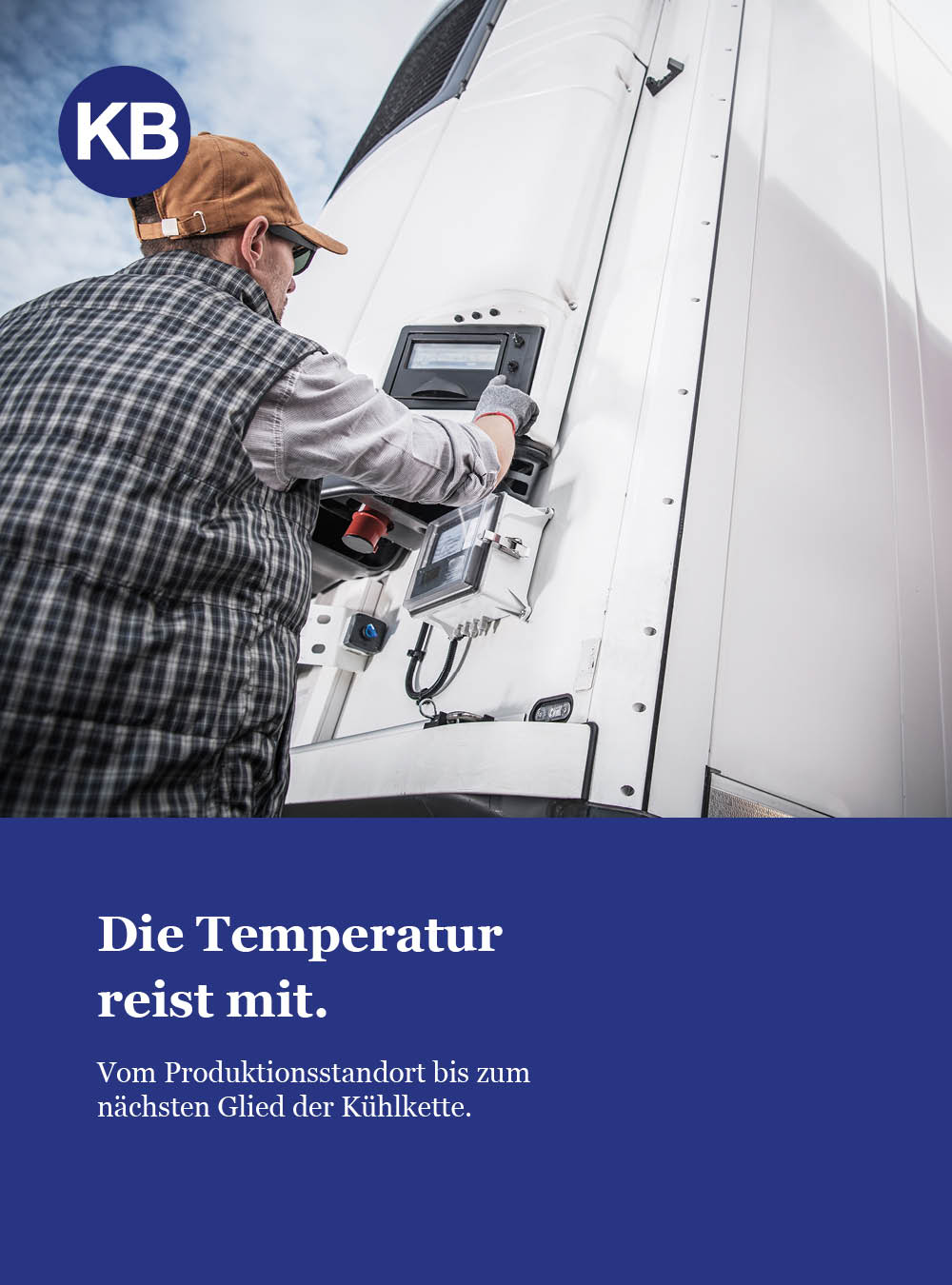
Precise temperature control may already be required during food production itself. From there, products need to be stored, picked, transported and eventually delivered to retailers.

The requirements vary considerably depending on the product. Fresh food needs different conditions from frozen goods, beverages or intermediate products used in industrial food production.

What they all have in common is the need to maintain the required temperature as reliably as possible.

Together, these individual stages form an interconnected cold chain:

Production, storage, transport, logistics and retail all depend on one another.

If one part of the system fails, the effects can extend throughout the entire chain.

Temperature is part of the production process

In the food industry, refrigeration is about far more than storing finished products.

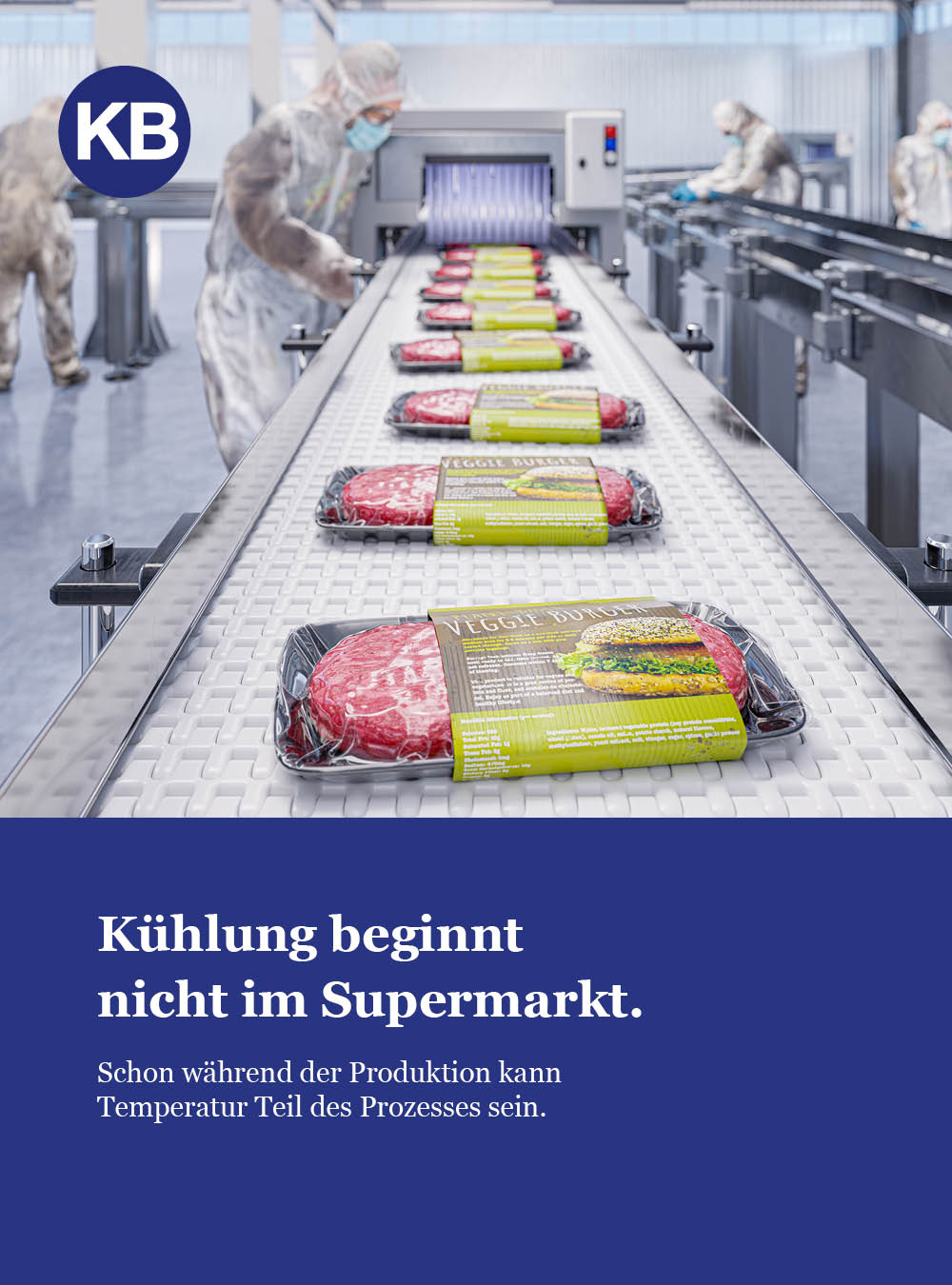
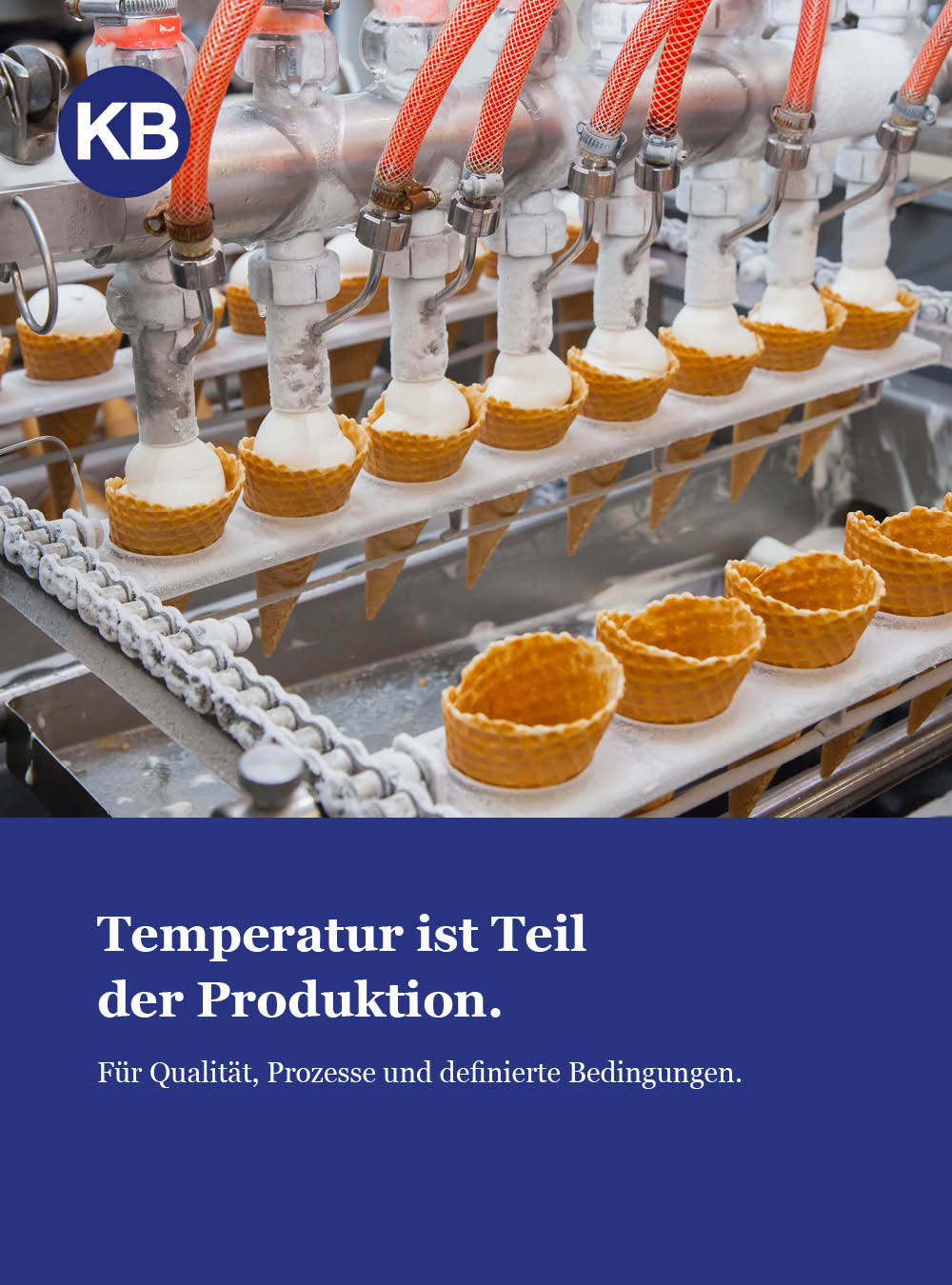
Temperature is a key technical parameter in many manufacturing processes. Products may need to be cooled, processes kept within defined limits, or production areas maintained under specific environmental conditions.

Refrigeration systems can therefore serve a wide range of purposes — from process cooling and chilled or frozen storage to temperature control in production and working environments.

Cooling itself becomes part of the production process.

And as production sites grow in size and complexity, so do the demands placed on the refrigeration infrastructure behind them.

Infrastructure that has to perform around the clock

Many food production facilities operate continuously. Cold stores, logistics centres and production plants cannot simply be switched off at the end of the working day.

Cooling has to remain reliably available.

That places high demands on system design, control, safety and maintainability. At the same time, systems need to operate efficiently across a wide range of conditions.

Because cooling demand is rarely constant.

Production volumes change. Outdoor temperatures fluctuate. Cold rooms are loaded and unloaded. Facilities expand, and production processes evolve.

A modern refrigeration system has to be able to respond to all of these changes.

Cooling requires energy

Food production is one of the sectors in which refrigeration systems often operate for long periods of time. Alongside reliability, energy efficiency therefore becomes a key consideration.

The question is not simply whether a system can provide the required cooling capacity.

The real question is how efficiently it can do so throughout its operating life.

A number of factors come together here: correct system sizing, suitable operating strategies, the coordination of different temperature levels, intelligent controls and — where appropriate — the recovery and reuse of waste heat.

Because from a technical point of view, cooling and heat are inseparable.

Whenever heat is removed from one area, it has to be released somewhere else. Under the right conditions, that energy can be recovered and used for purposes such as space heating or hot water.

This means that a refrigeration system is increasingly becoming part of a wider, integrated energy concept.

Refrigerants are changing too

Alongside energy efficiency and operational reliability, the choice of refrigerant is becoming increasingly important.

Natural refrigerants such as CO₂ and ammonia are therefore playing a growing role in many commercial and industrial applications.

There is, however, no single solution that works for every project.

Production requirements, cooling capacity, temperature levels, building conditions, safety requirements and the long-term development of the site all need to be considered together.

Particularly in larger installations, it is not the individual component that determines the quality of the solution.

It is how the entire system works as a whole.

Looking beyond the supermarket shelf

As consumers, we ultimately see only the product.

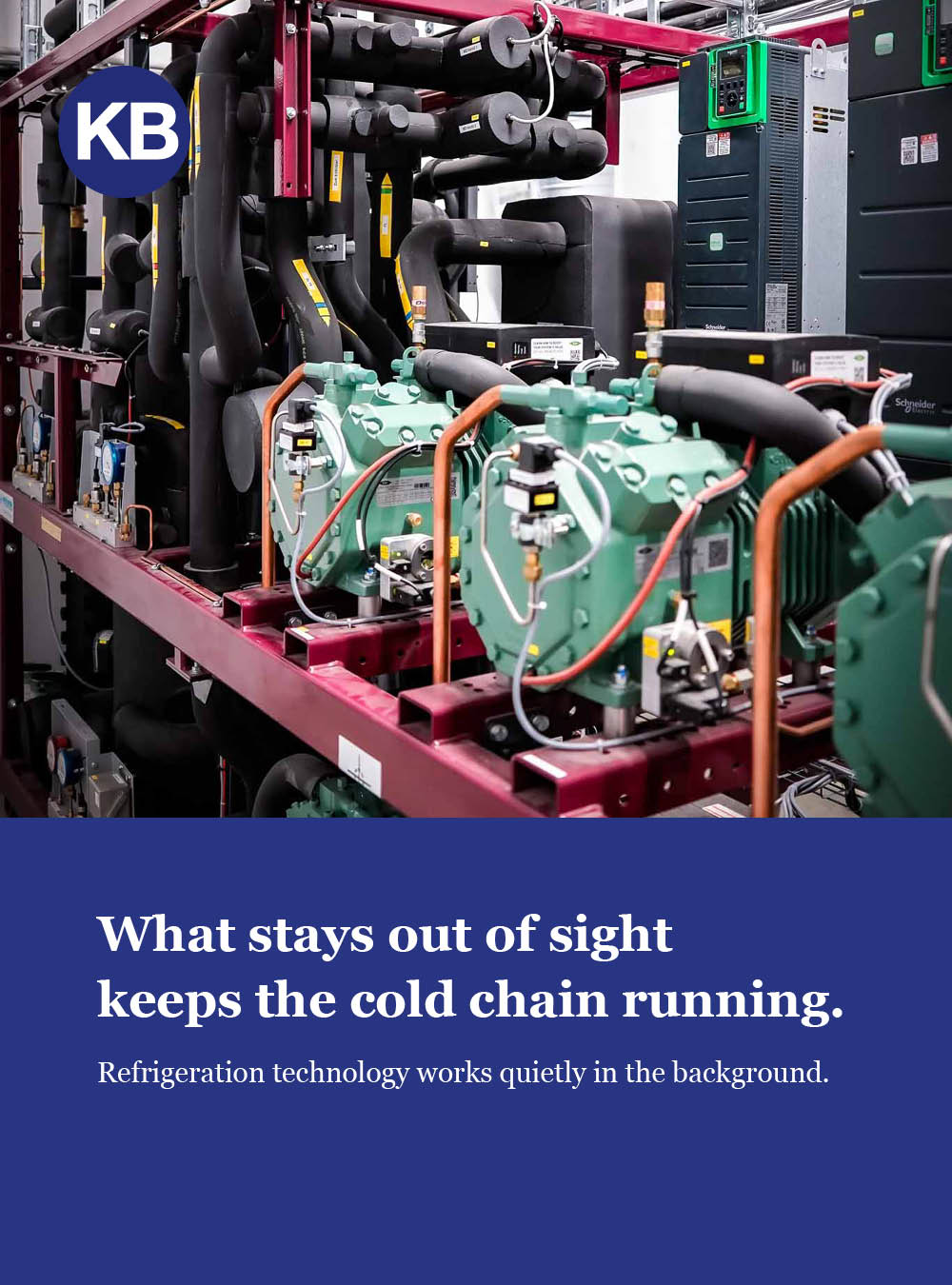
We do not see the production facility. The cold store. The pipework, compressors or heat rejection systems. And in most cases, we do not see the people who plan, operate and monitor this infrastructure either.

That is perhaps one of the defining characteristics of modern refrigeration:

When it works reliably, it remains largely invisible.

Behind that apparent simplicity, however, are complex technical systems and countless decisions — often made months or even years before a system goes into operation.

A reliable cold chain therefore does not begin in the cold store or at the supermarket.

It begins with a well-designed refrigeration and energy concept.

The product is visible. The cold chain behind it is not.

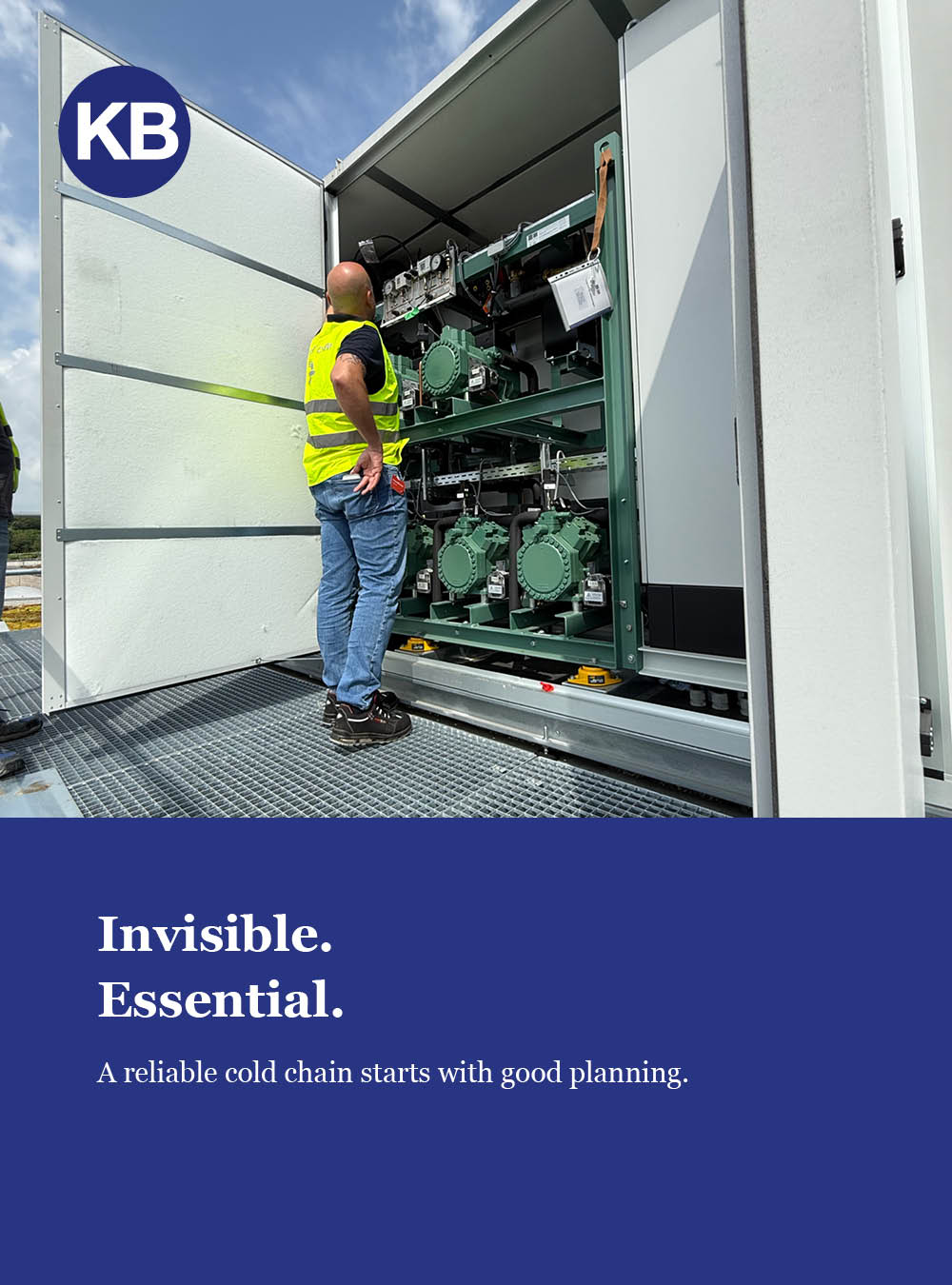
And behind every reliable cold chain is careful planning.
KB - KälteBeratung - Logo in Blau

Der direkte Draht zur KB Kälteberatung

Falls Sie Fragen haben, Informationen benötigen oder ein persönliches Gespräch wünschen, nehmen Sie Kontakt mit uns auf. Gerne unterstützen wir Sie bei Ihrem Projekt.

  • +49 (0) 261 / 988 223 0
  • +49 (0) 261 / 988 223 23