
KB - Kälteberatung - Euroshop 23

Blog

Cooling Is Infrastructure: The Hidden Technology Behind Modern Life
The Invisible Technology Our Modern World Depends On

Imagine waking up tomorrow to a world without cooling.

Not just a broken fridge at home, but cold stores, supermarkets, hospitals, production facilities, logistics hubs and data centres all losing the systems that keep temperatures under control.

Much of what we take for granted would quickly stop functioning as expected.

Refrigeration and cooling are part of the hidden infrastructure of modern life. They operate quietly in the background, around the clock, and most of us only become aware of them when something goes wrong.

Food Relies on an Unbroken Cold Chain

Long before food reaches our refrigerators at home, it has already passed through a carefully controlled chain of temperatures.

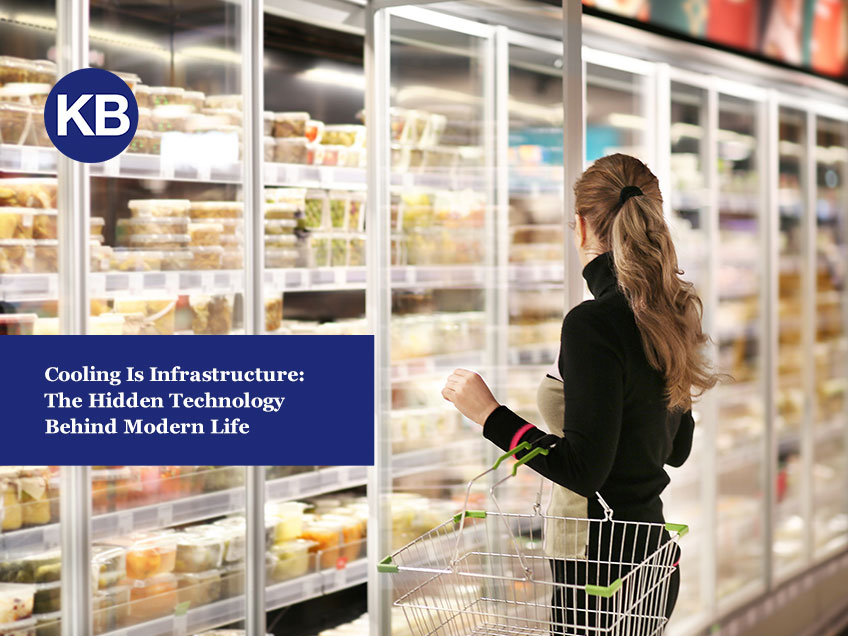
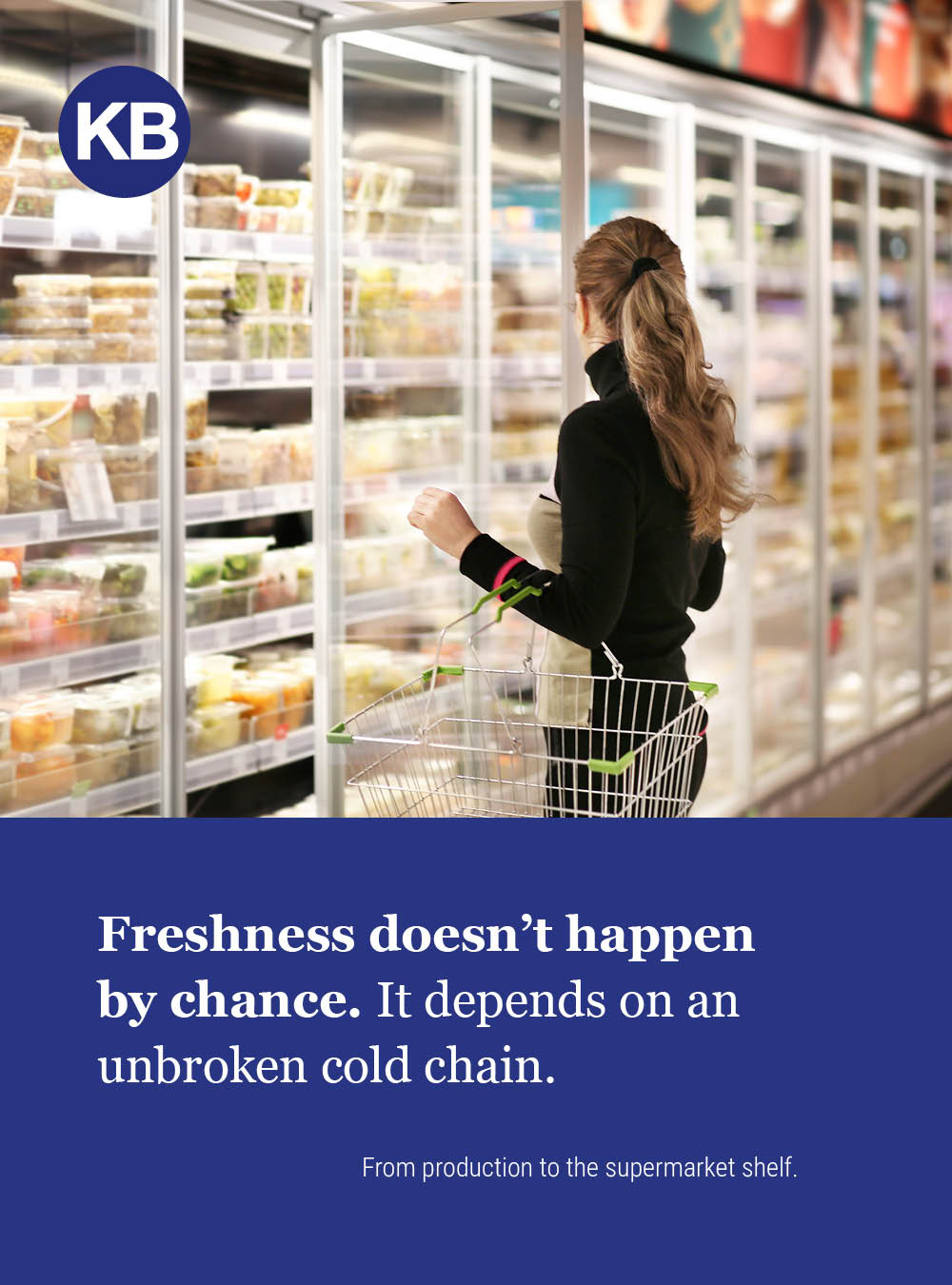
From production and storage to transport and retail, refrigeration helps preserve quality and safety every step of the way. Cold stores, distribution centres, refrigerated vehicles and supermarket display cases all form part of the same interconnected system.

What we see in the supermarket is only the final, visible link in a much larger cold chain.

Healthcare Depends on Precise Temperature Control

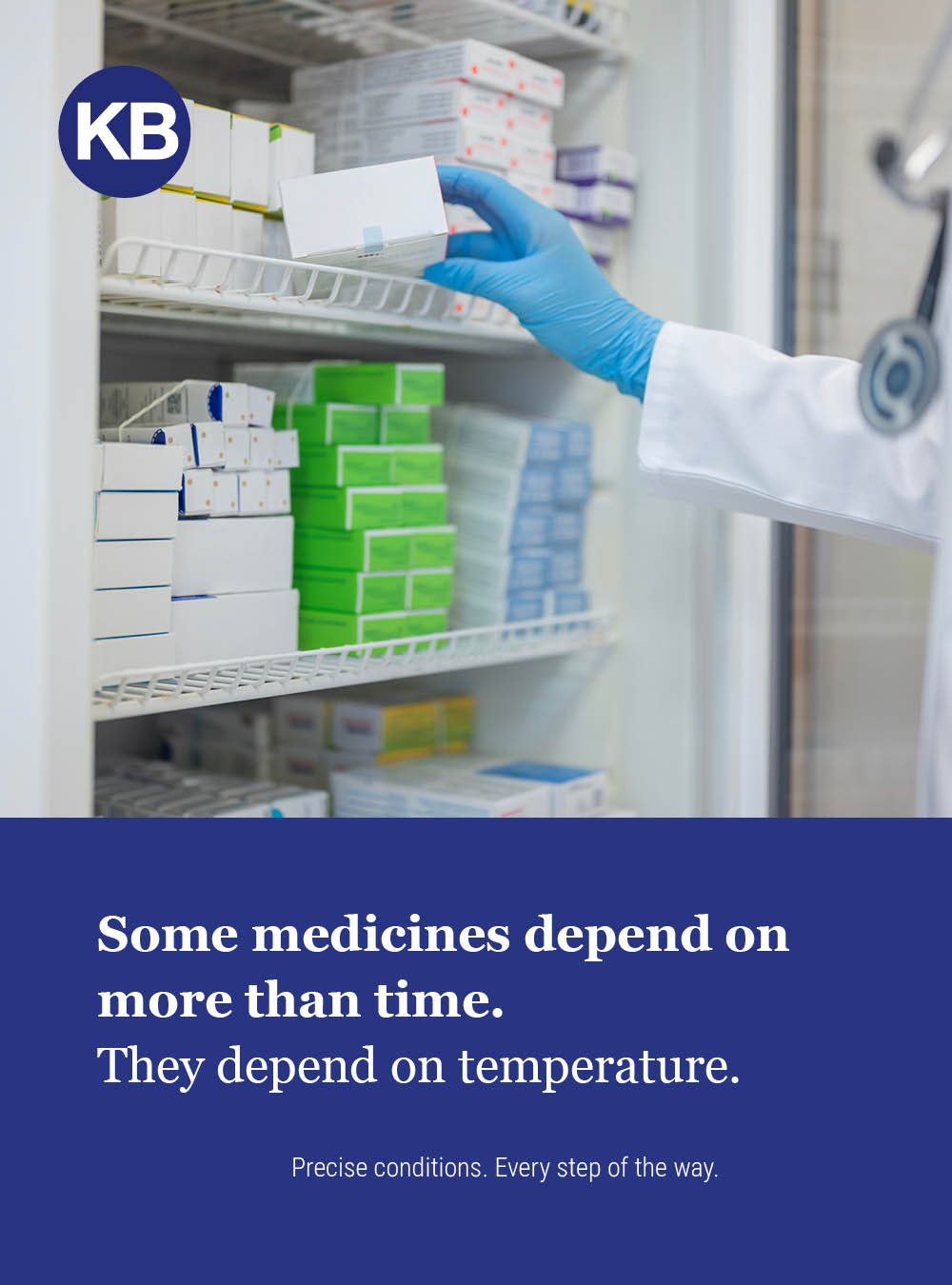
Temperature control is just as critical in hospitals, laboratories and the pharmaceutical sector.

Medicines, vaccines, blood products and many other sensitive substances need to be stored and transported within clearly defined temperature ranges.

In these environments, refrigeration is not simply about comfort. It can be essential to maintaining product quality, safety and reliability.

The Digital World Needs Cooling Too

Cloud services, streaming, digital communication and artificial intelligence may feel almost weightless and immaterial.

In reality, they depend on physical infrastructure.

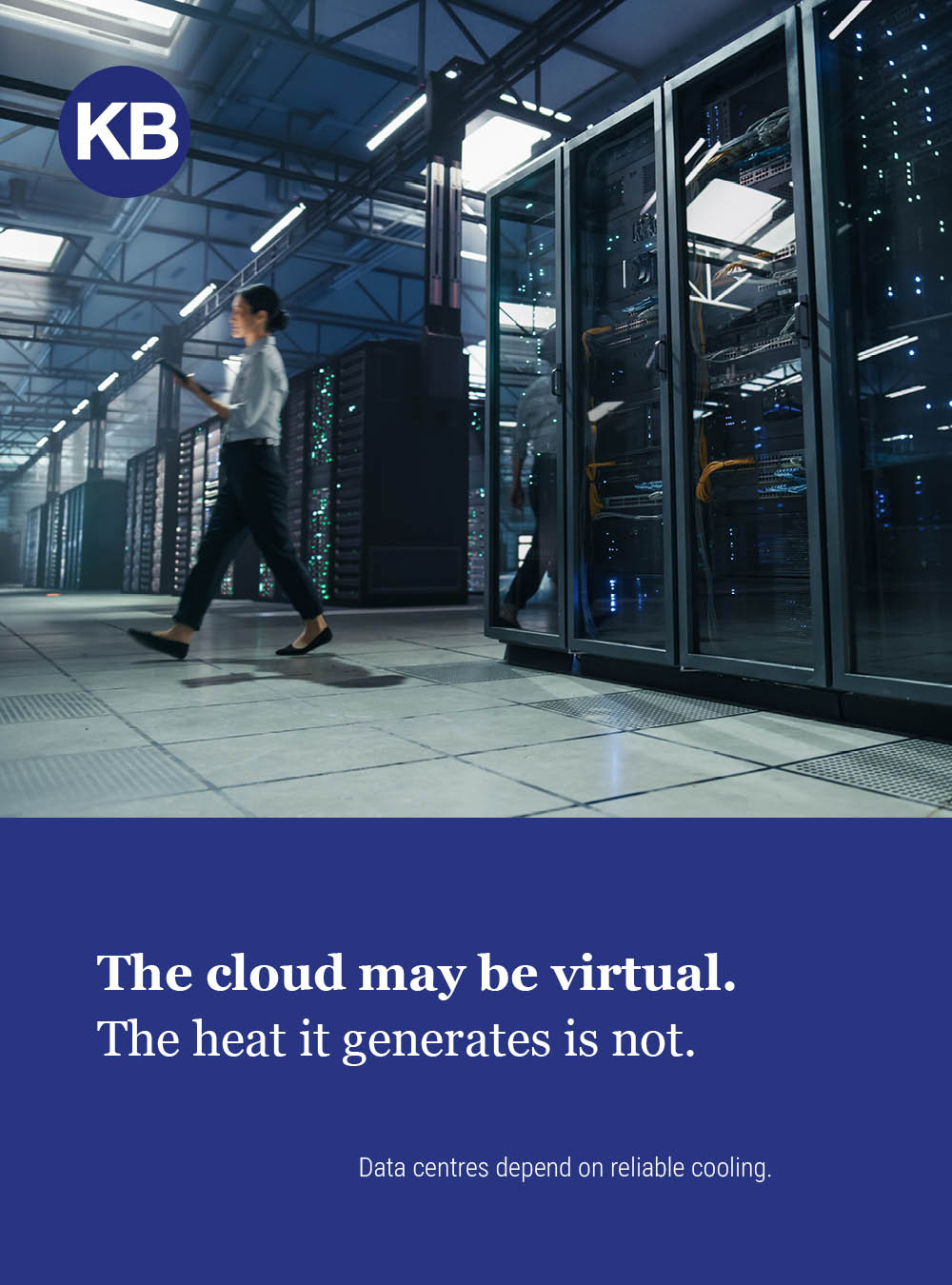
Behind every digital service are data centres filled with servers generating vast amounts of computing power — and heat.

As our digital infrastructure becomes more powerful, cooling becomes an increasingly important part of keeping that infrastructure efficient and reliable.

The digital world does not run on data and electricity alone.

It also runs on cooling.

Industry Depends on Stable Conditions

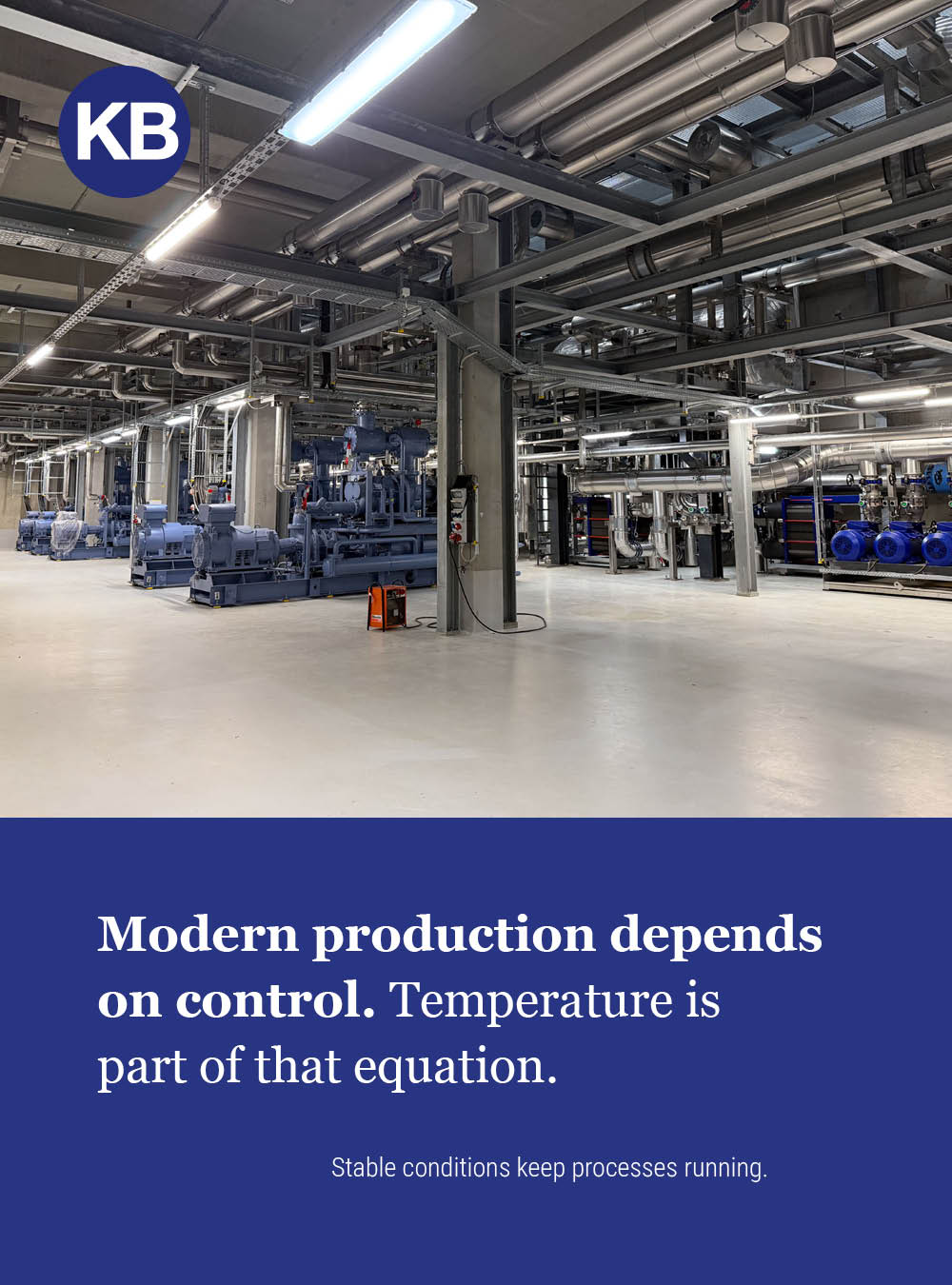
In many industrial processes, temperature is a key part of production.

Food manufacturing, pharmaceuticals, chemicals, mechanical engineering and many other sectors rely on carefully controlled conditions to keep products, machinery and processes within the required operating range.

Refrigeration and process cooling therefore do much more than simply lower temperatures.

They create the conditions in which production can take place reliably.

Logistics Keeps the Chain Connected

Producing temperature-sensitive goods is only one part of the challenge.

They also need to be stored and transported — sometimes over long distances — without leaving the required temperature range.

Cooling therefore becomes part of an invisible network connecting production sites, warehouses, transport routes, retailers and ultimately the customer.

Without that network, many of today’s supply chains would simply not work in the same way.

Cooling Is Also Becoming Part of Heat Protection

As extreme heat becomes more frequent, building cooling is taking on greater importance.

In offices and public buildings, this can mean creating safe and productive working environments. In hospitals, care facilities and other sensitive settings, reliable temperature control can be even more important.

At the same time, rising demand for cooling creates a new challenge: how can we provide it as efficiently and sustainably as possible?


 A Technology That Changed the World —

and Now Has to Evolve

The ability to generate cooling on demand has transformed modern society.

It has reshaped food supply, supported healthcare, enabled industrial processes and become an essential part of the digital infrastructure we increasingly rely on.

But cooling requires energy.

And that leads to one of the key questions facing the industry today:

The Question Is No Longer Whether We Need Cooling — but How We Provide It in the Future.

Energy efficiency, intelligent system design, heat recovery and natural refrigerants such as CO₂ and ammonia are becoming increasingly important.

Modern refrigeration systems need to achieve two things at once:

They must be reliable — and they must use energy and resources responsibly.

Cooling Is Infrastructure

Most of the time, we do not see it.

Sometimes, we hear it.

And when everything is working as it should, we rarely have to think about it at all.

Perhaps that is precisely what makes it so successful.

Behind that apparent simplicity, however, are complex systems, engineering decisions and careful planning.

Much of this invisible infrastructure begins long before a system is commissioned — it begins with planning.
KB - KälteBeratung - Logo in Blau

Der direkte Draht zur KB Kälteberatung

Falls Sie Fragen haben, Informationen benötigen oder ein persönliches Gespräch wünschen, nehmen Sie Kontakt mit uns auf. Gerne unterstützen wir Sie bei Ihrem Projekt.

  • +49 (0) 261 / 988 223 0
  • +49 (0) 261 / 988 223 23