KB - Kälteberatung - Euroshop 23

Blog

Machbarkeitsstudie für Großkälteanlagen | KB KälteBeratung

Feasibility Study for a Complex Industrial Refrigeration Plant System

Technical systems are often expanded, adapted, or combined with other systems over many years of operation. As a result, complex plant infrastructures develop in which individual components were originally designed for specific energy-related and economic conditions. However, these conditions change over time: energy prices rise and fall, technical requirements evolve, and environmental objectives become increasingly important.

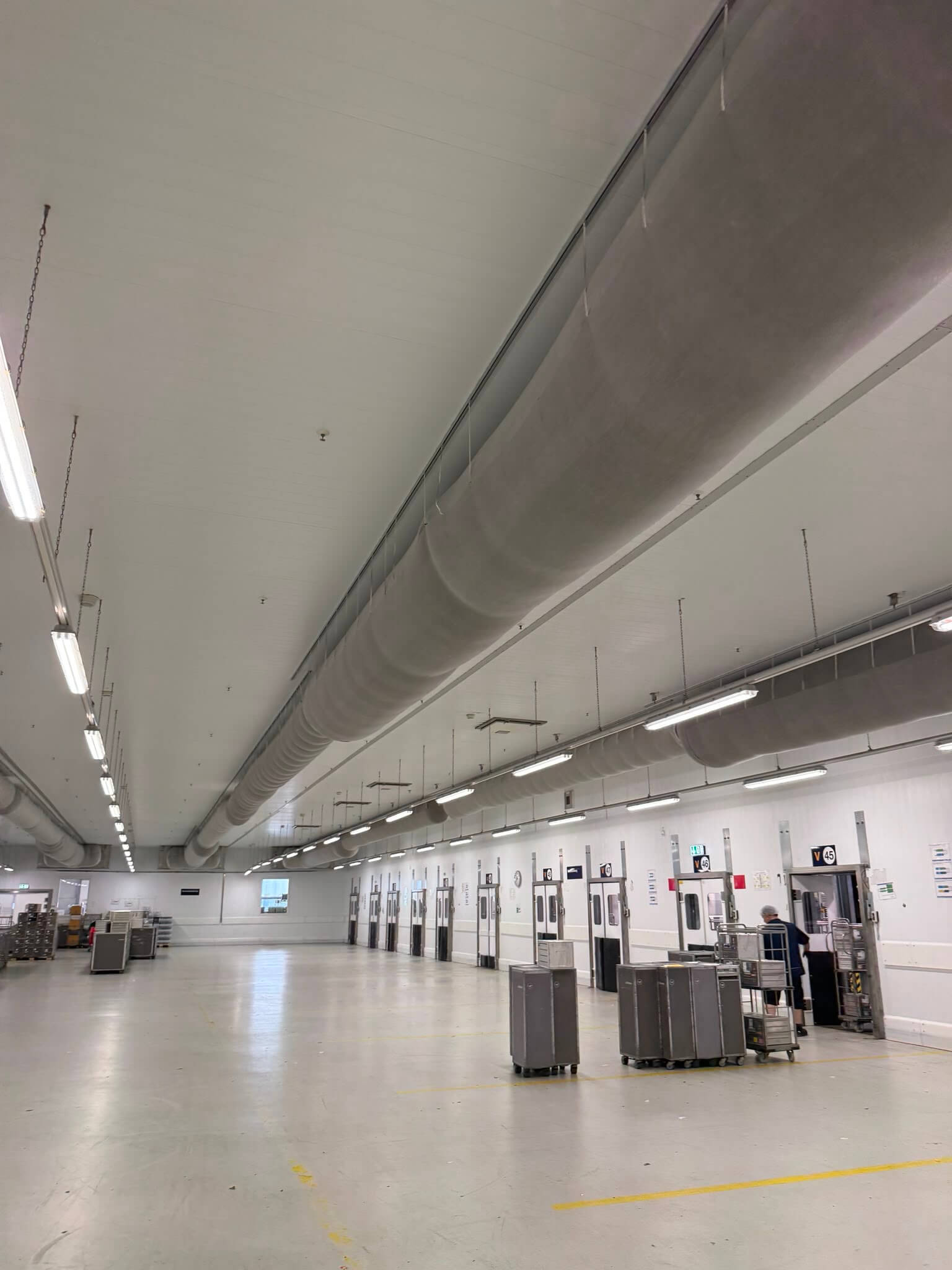
As part of a current project, KB KälteBeratung has been commissioned to carry out a feasibility study for the future refrigeration supply of a large production and logistics site.

Initial Assessment as a Basis

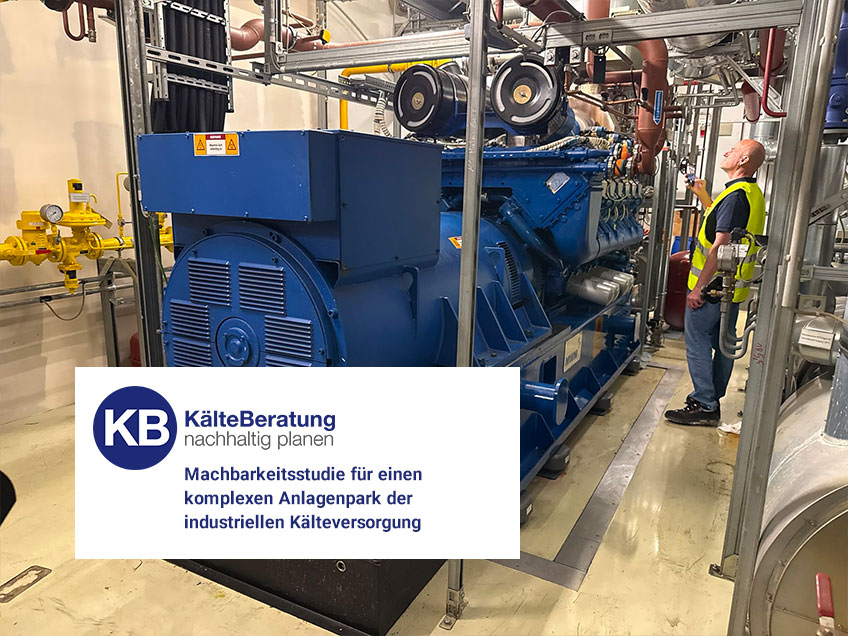
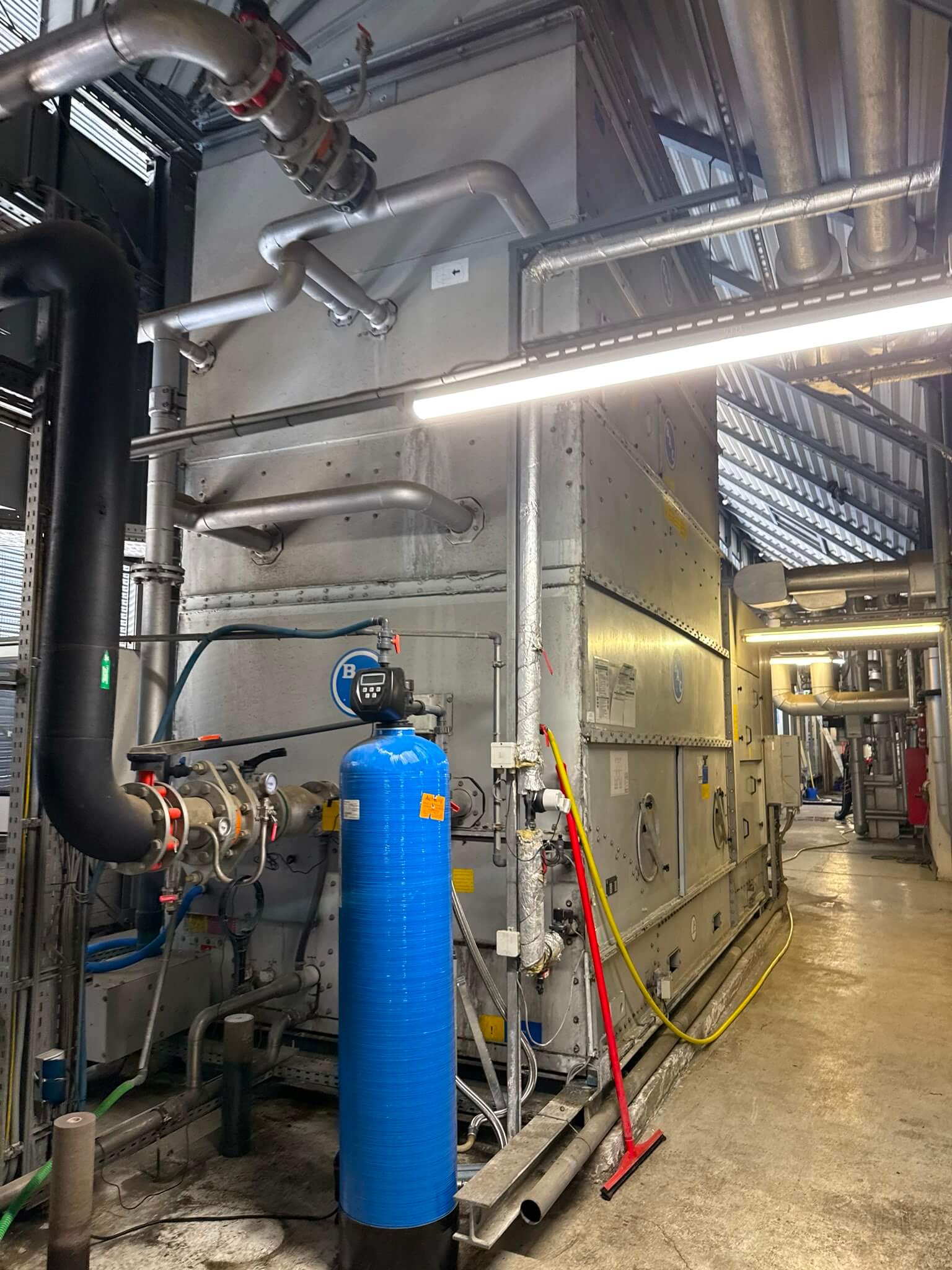
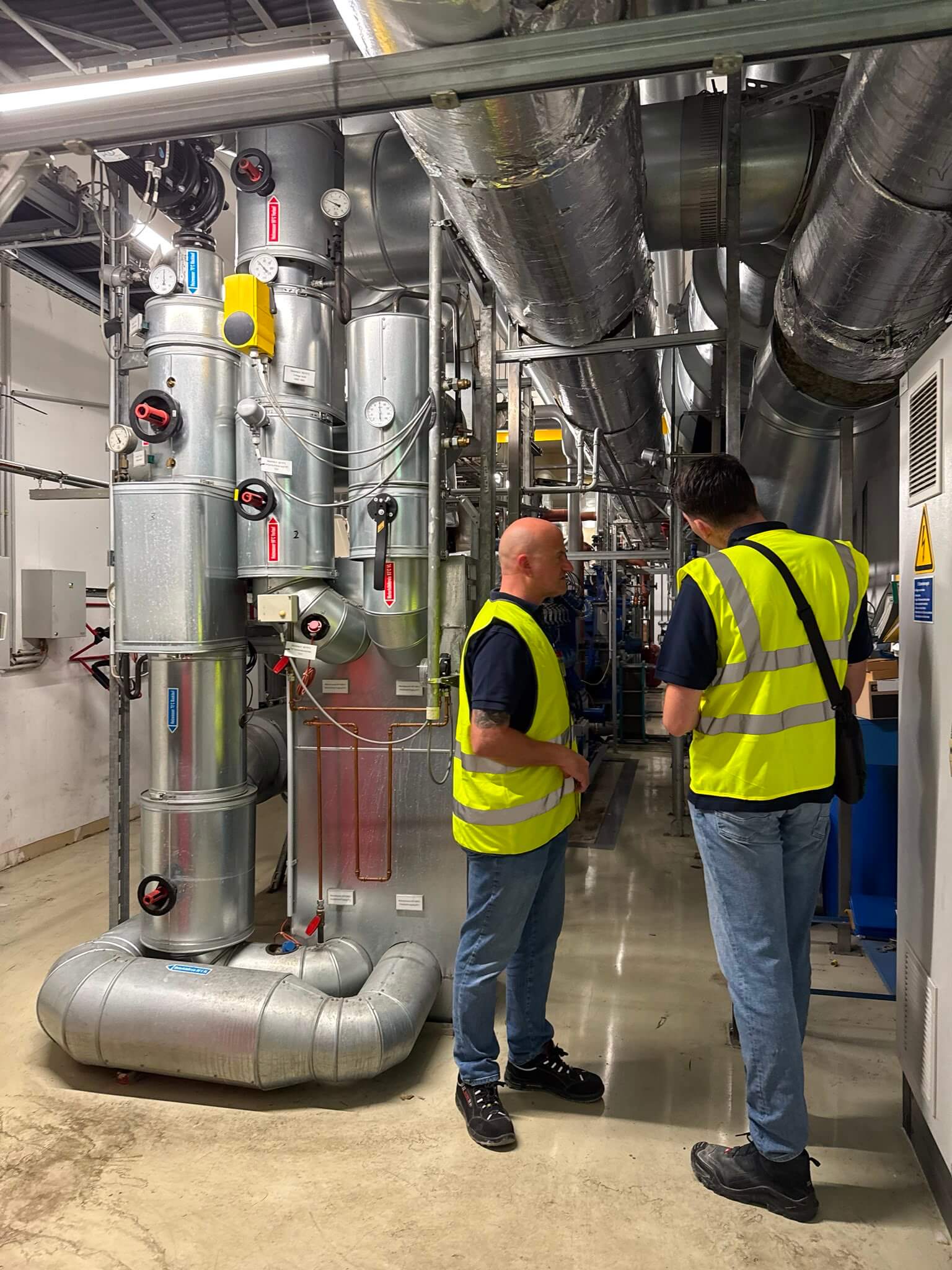
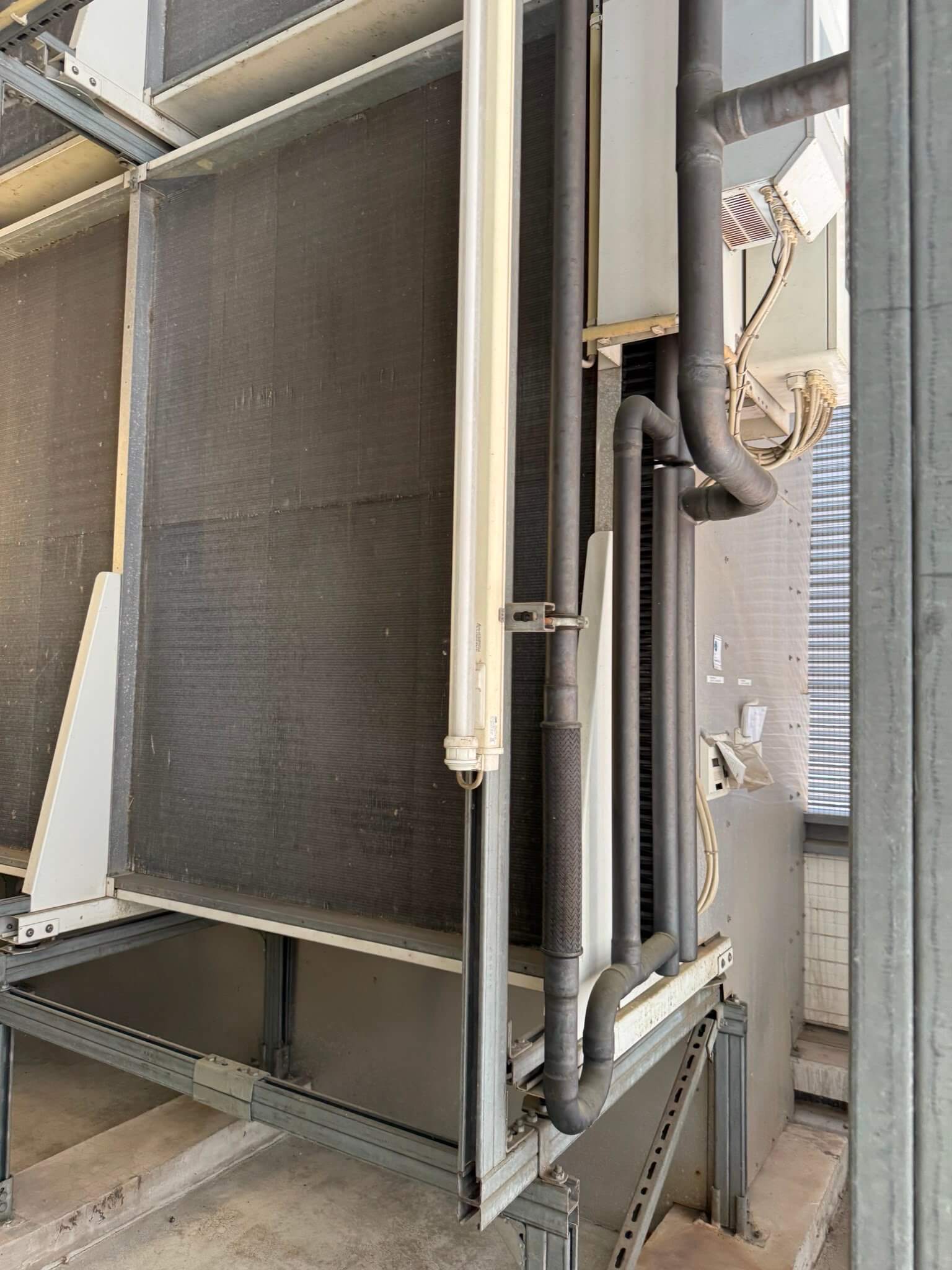
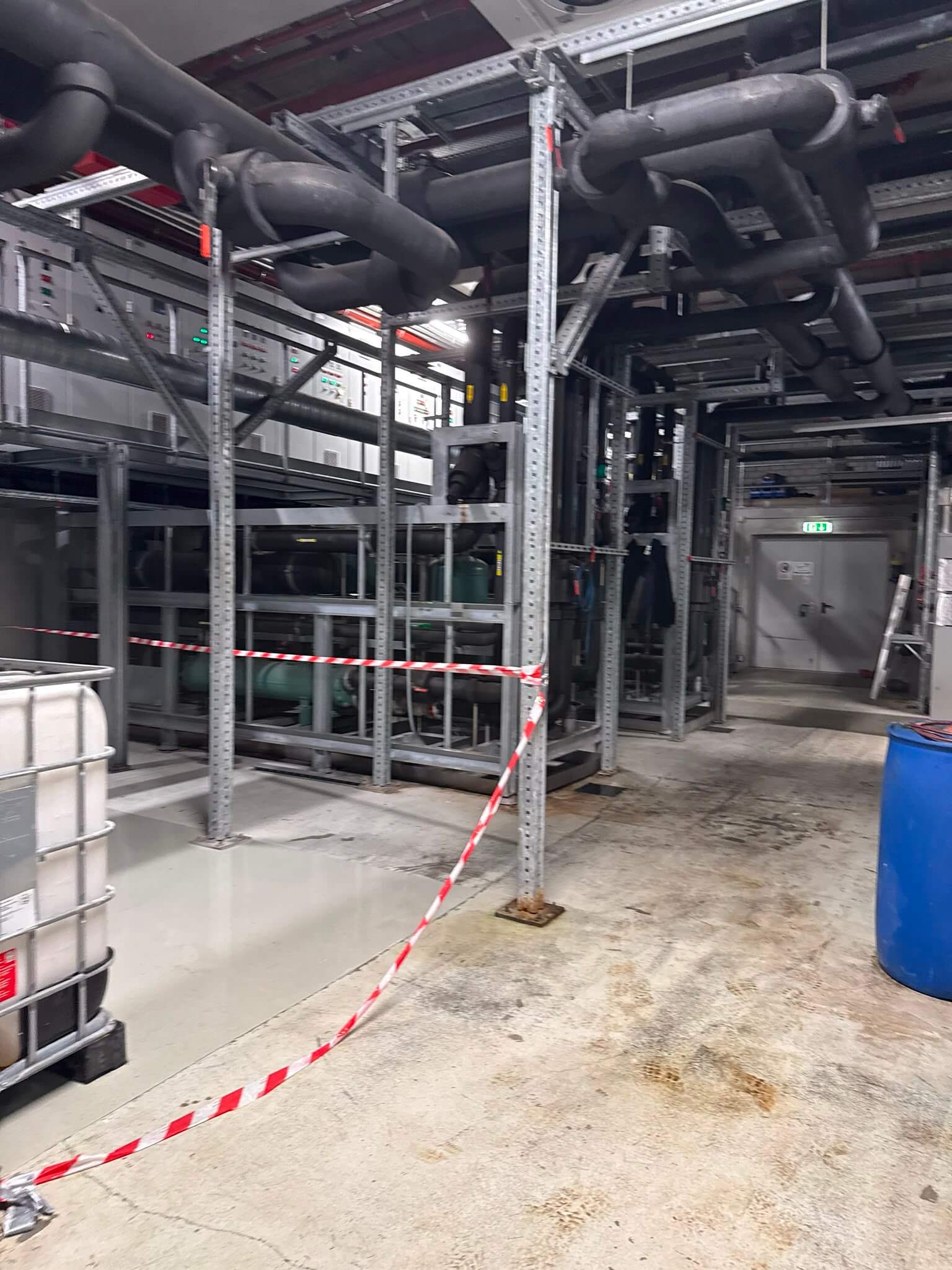
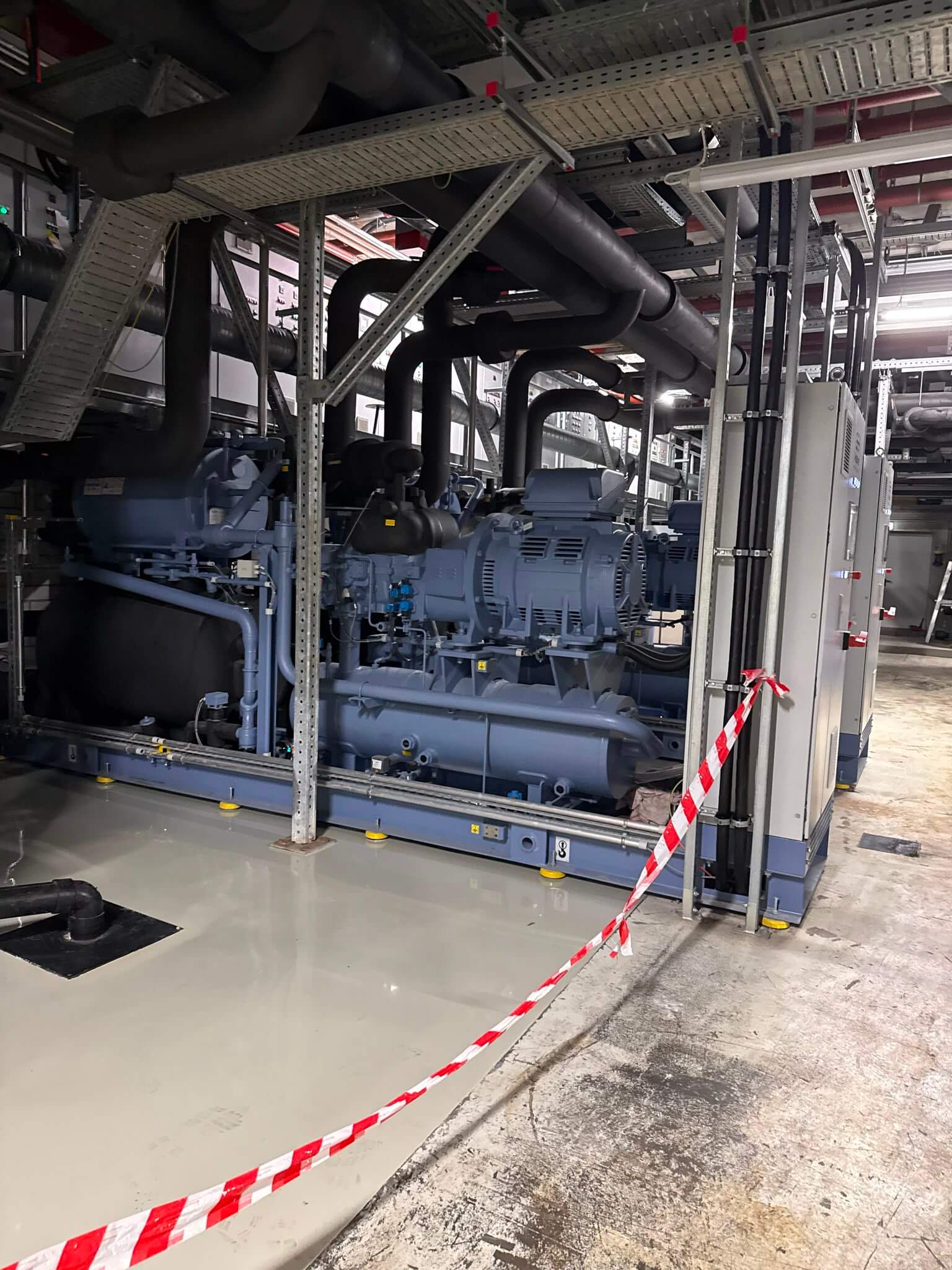
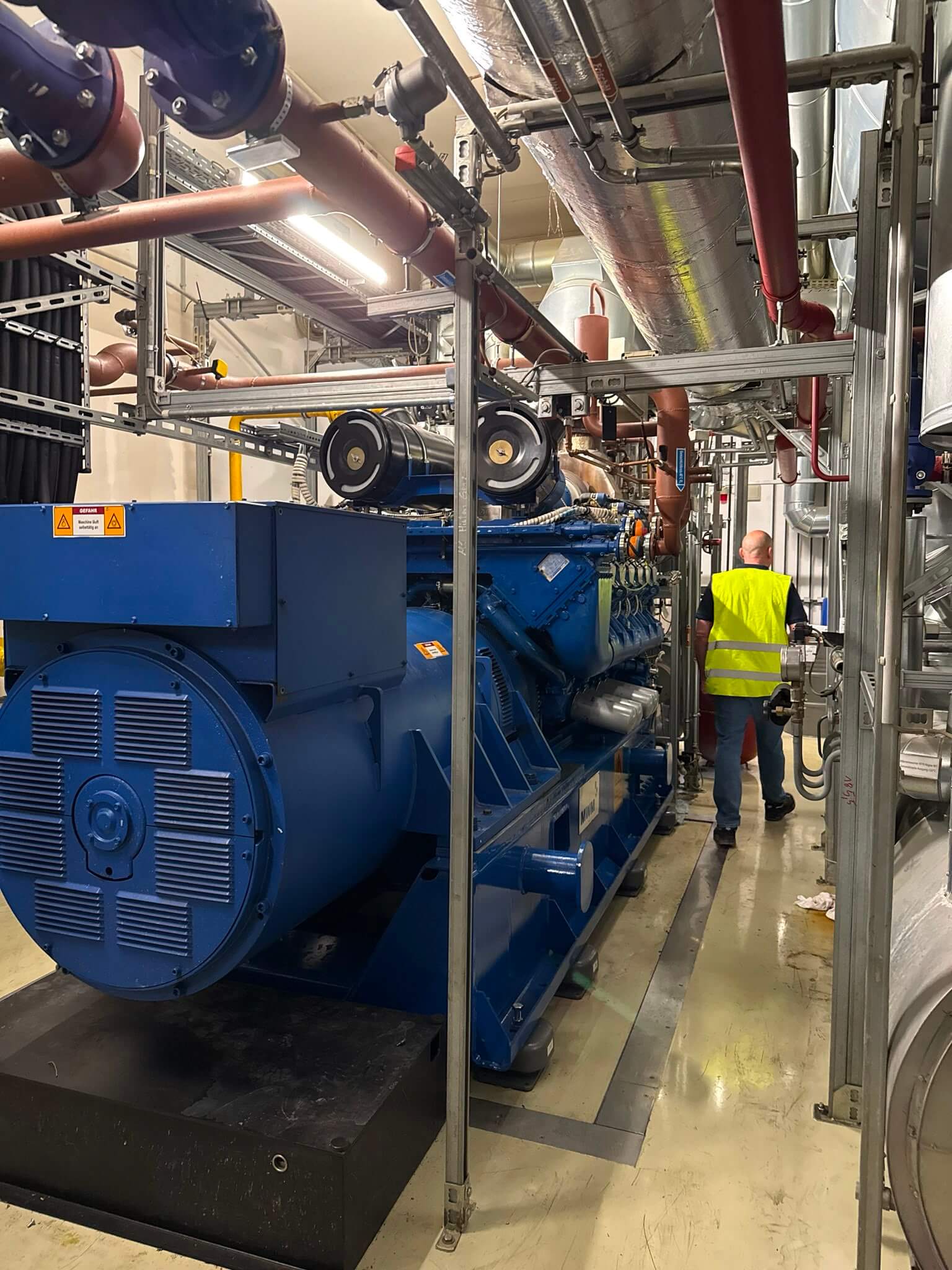
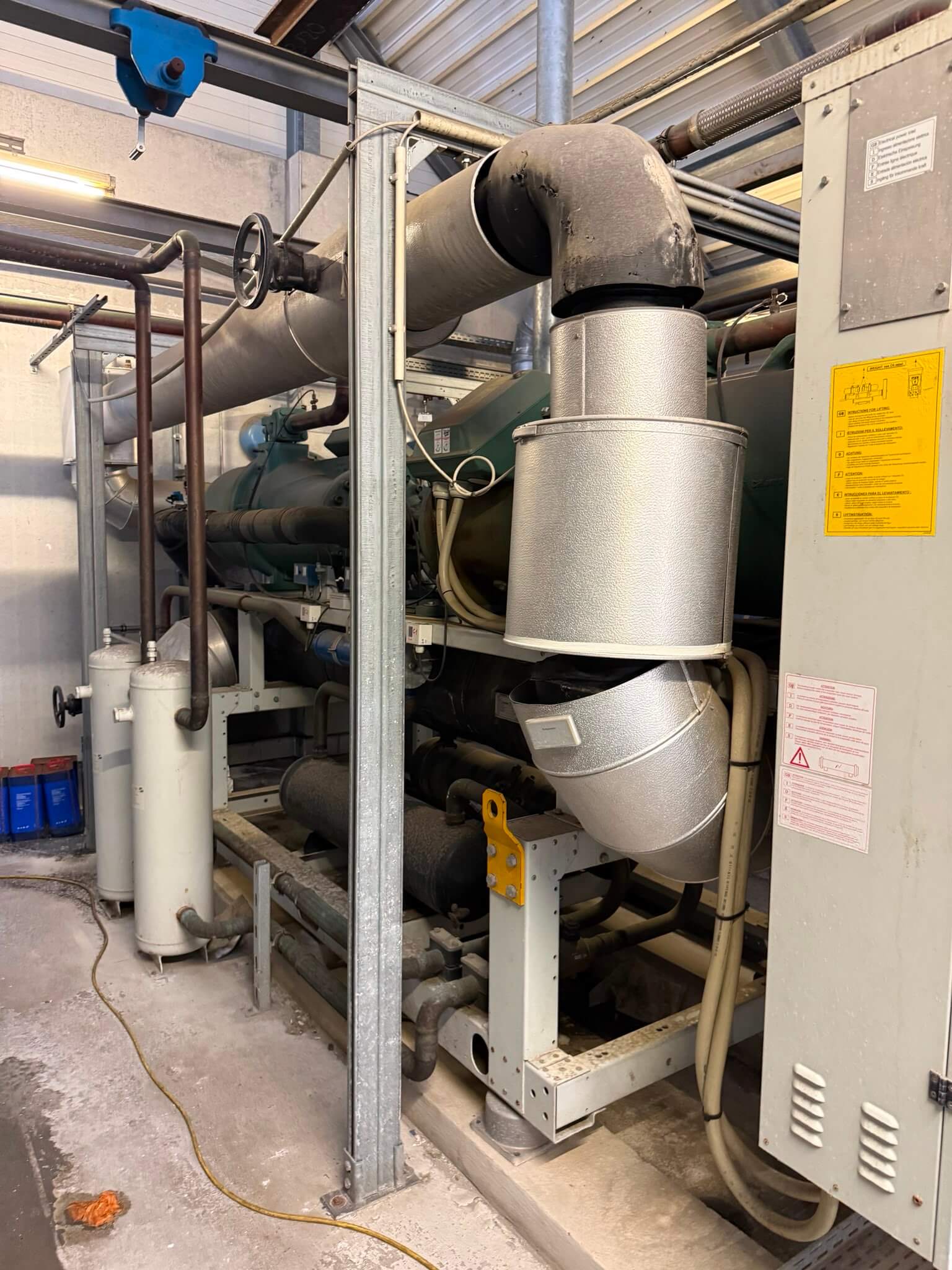
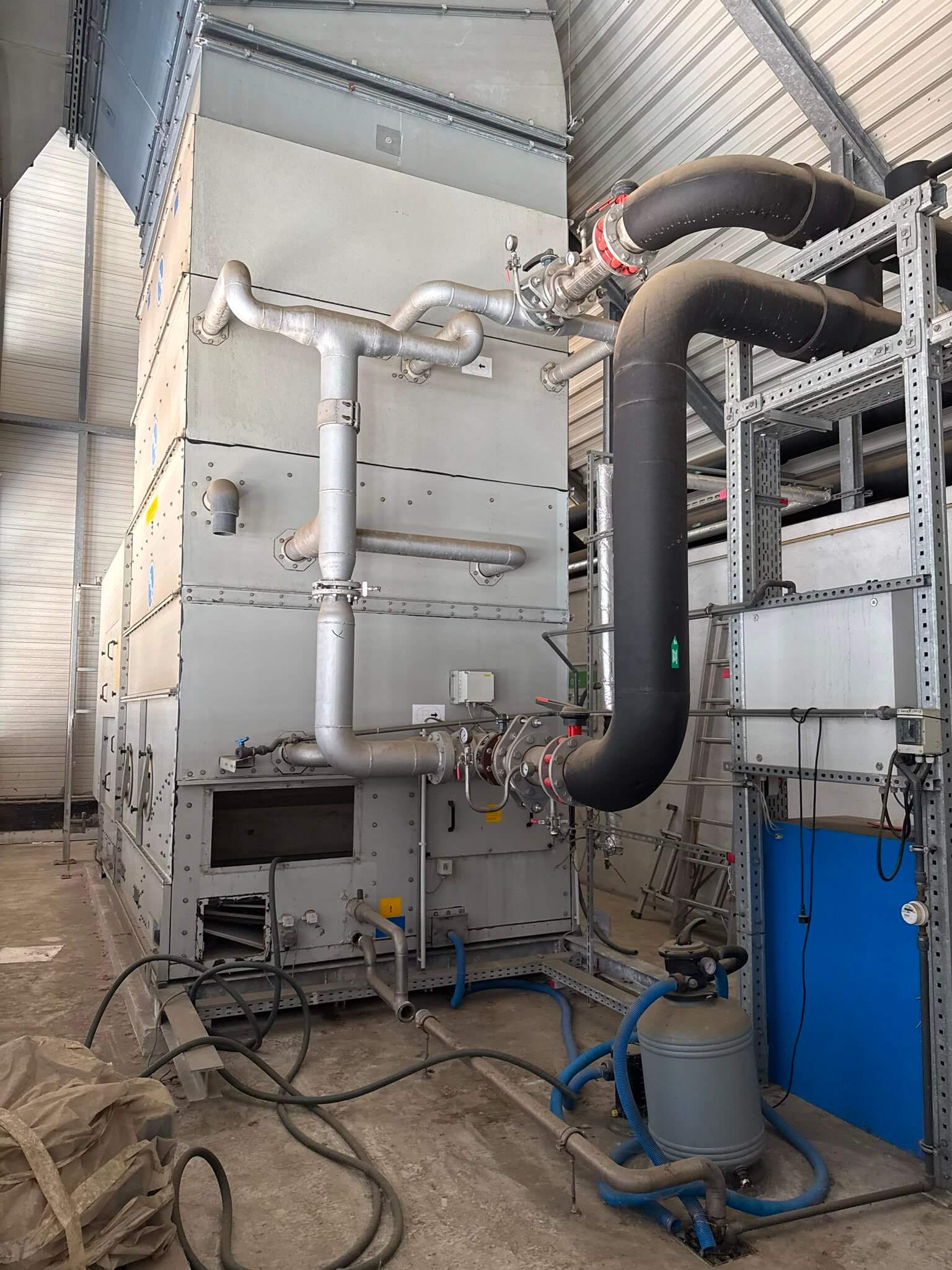
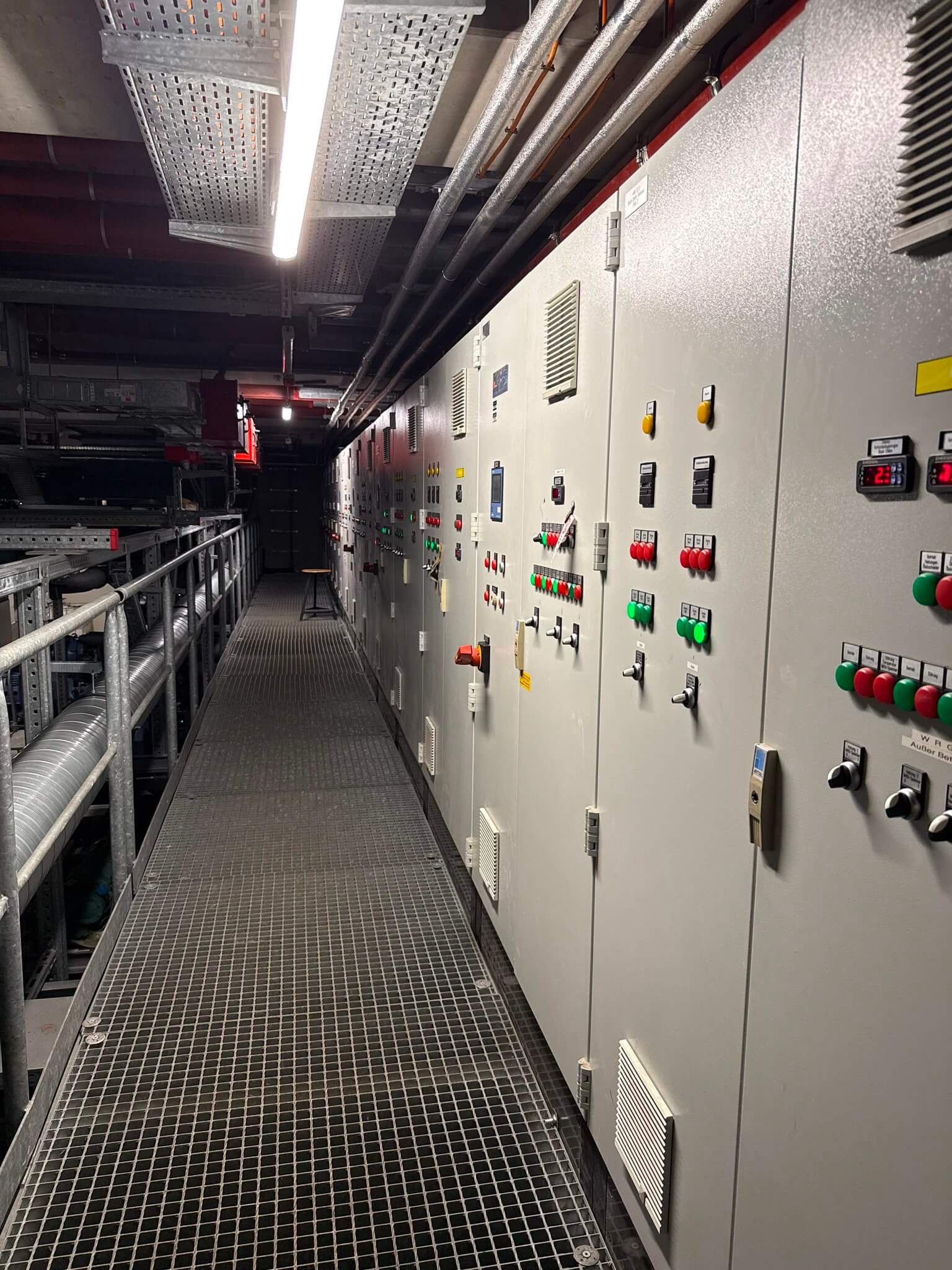
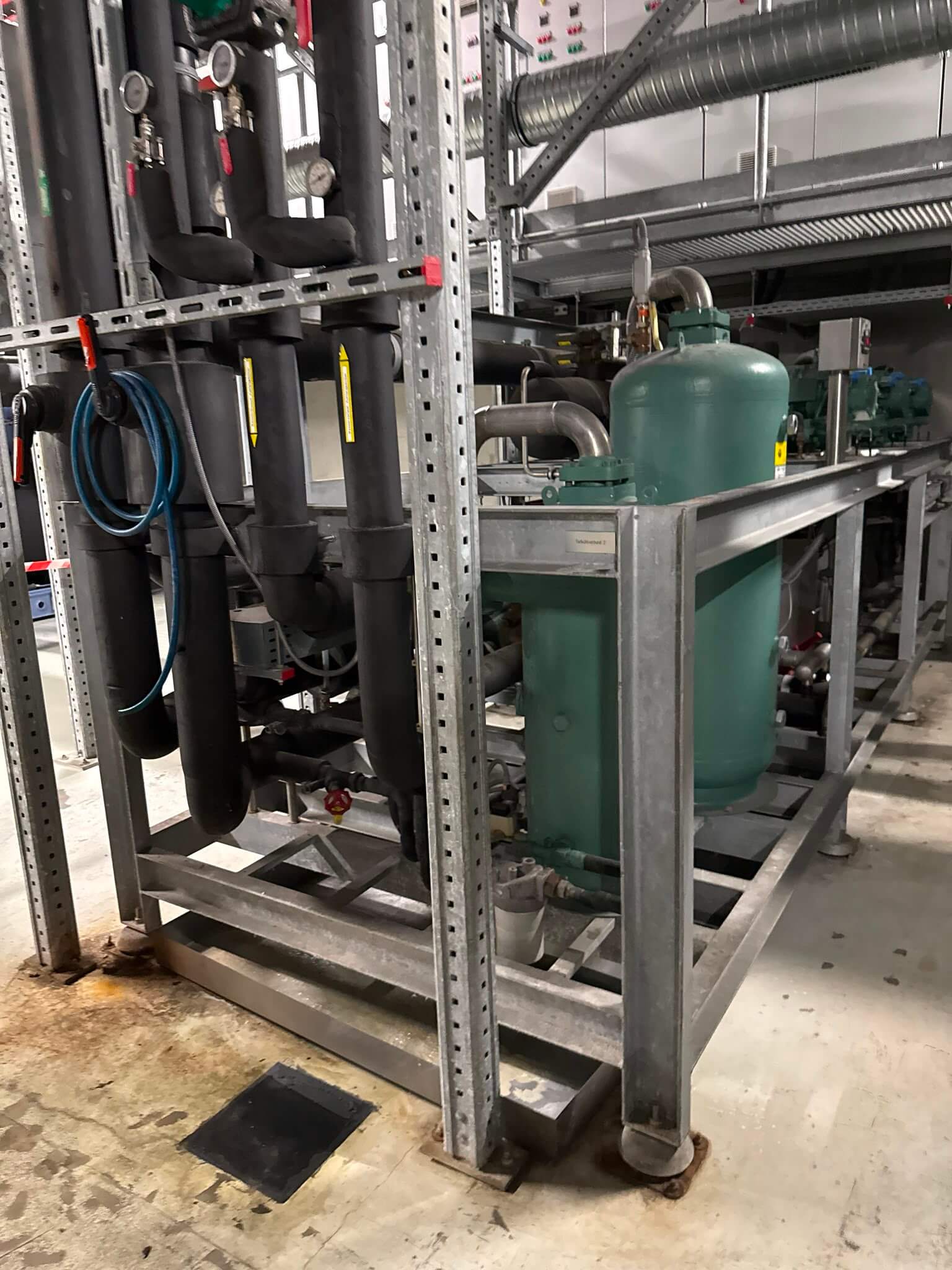
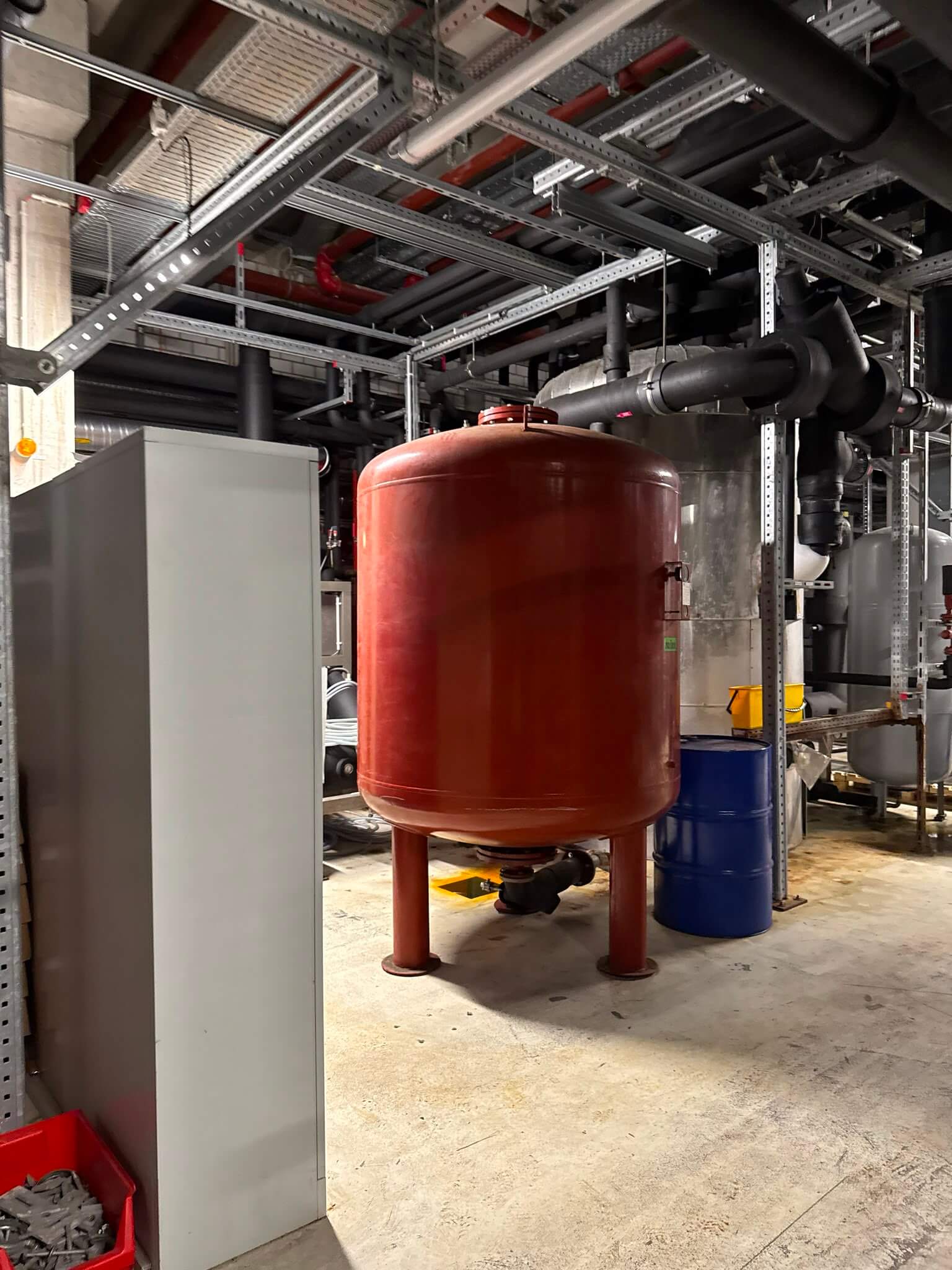
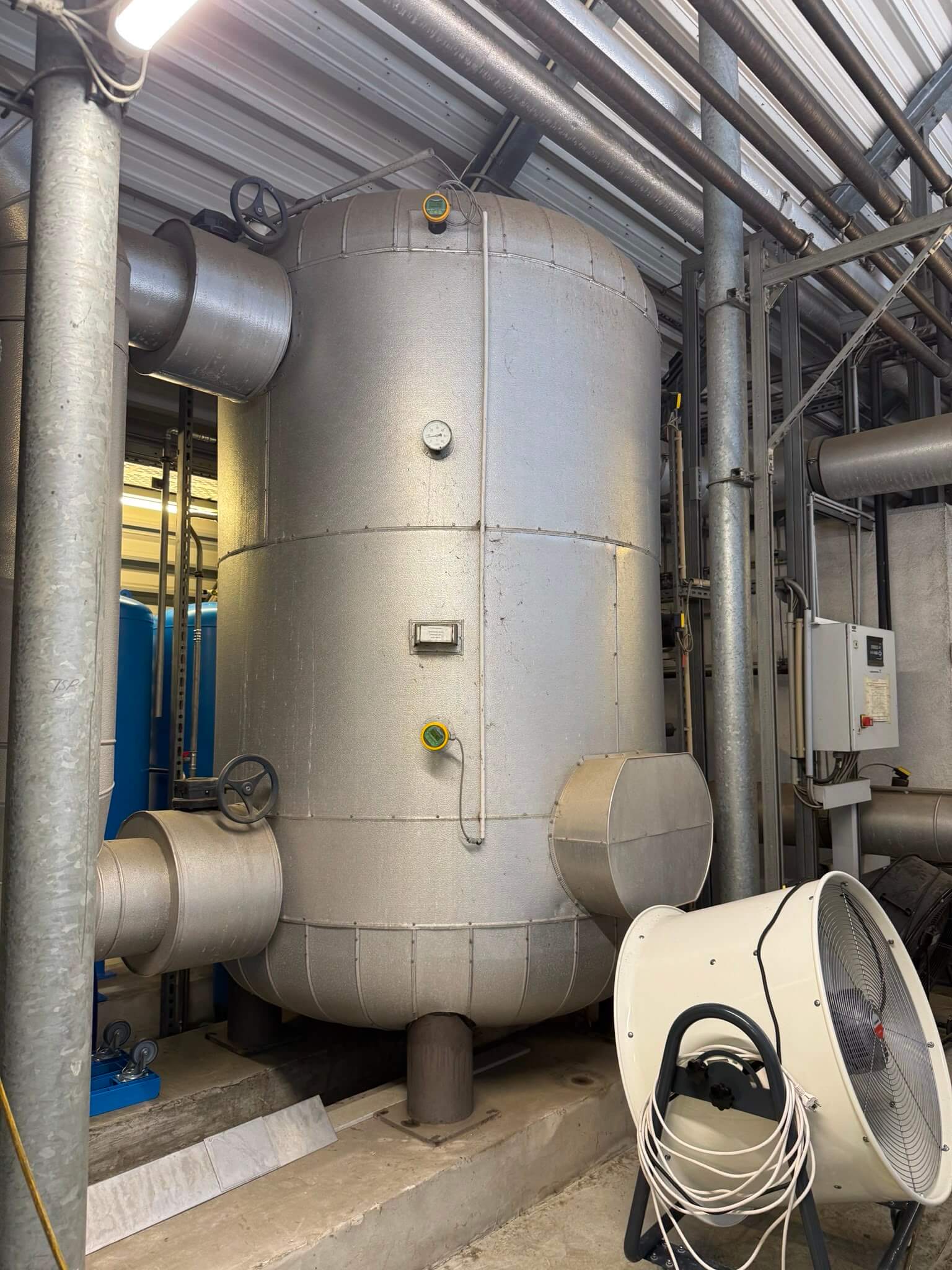
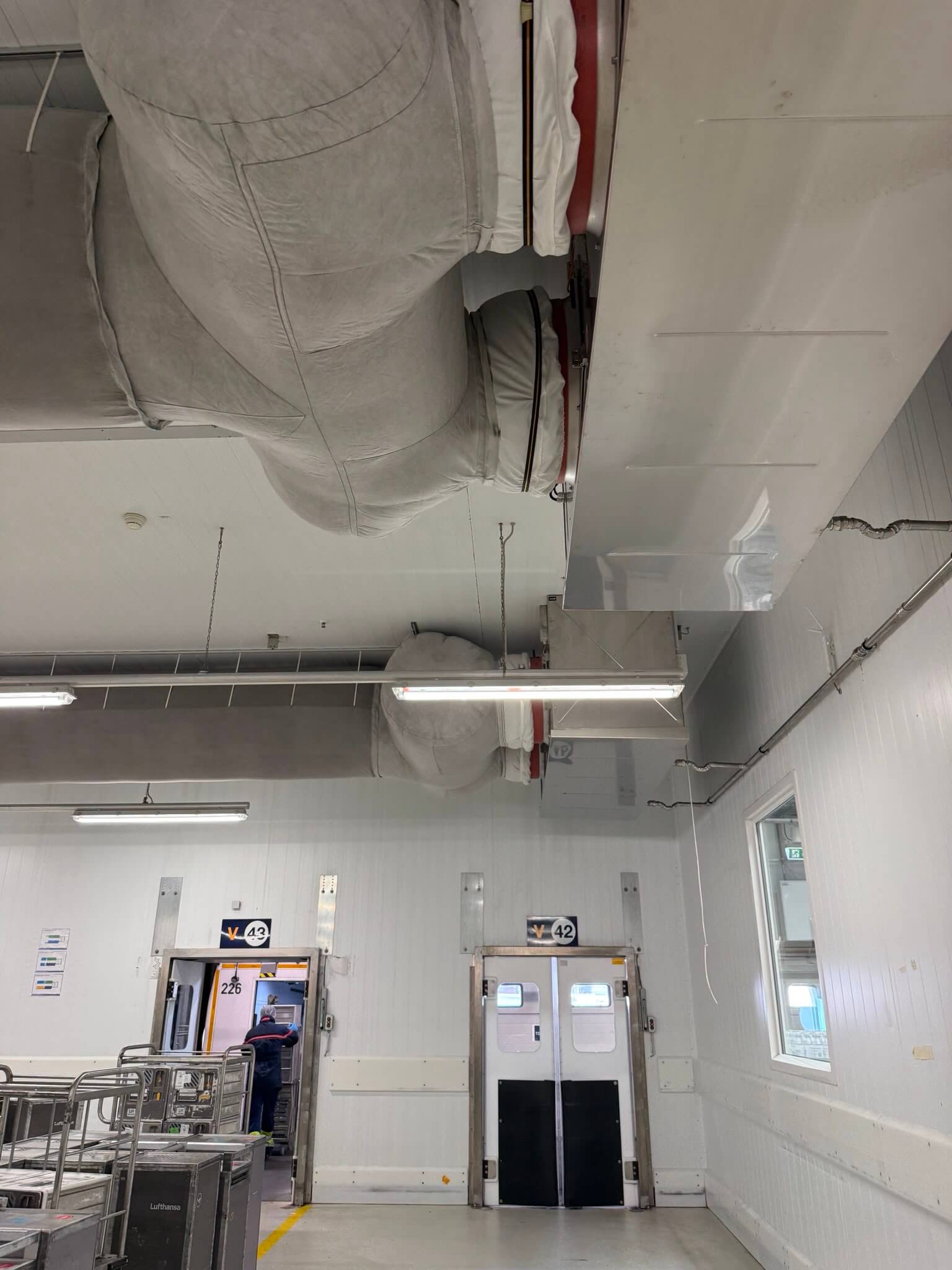
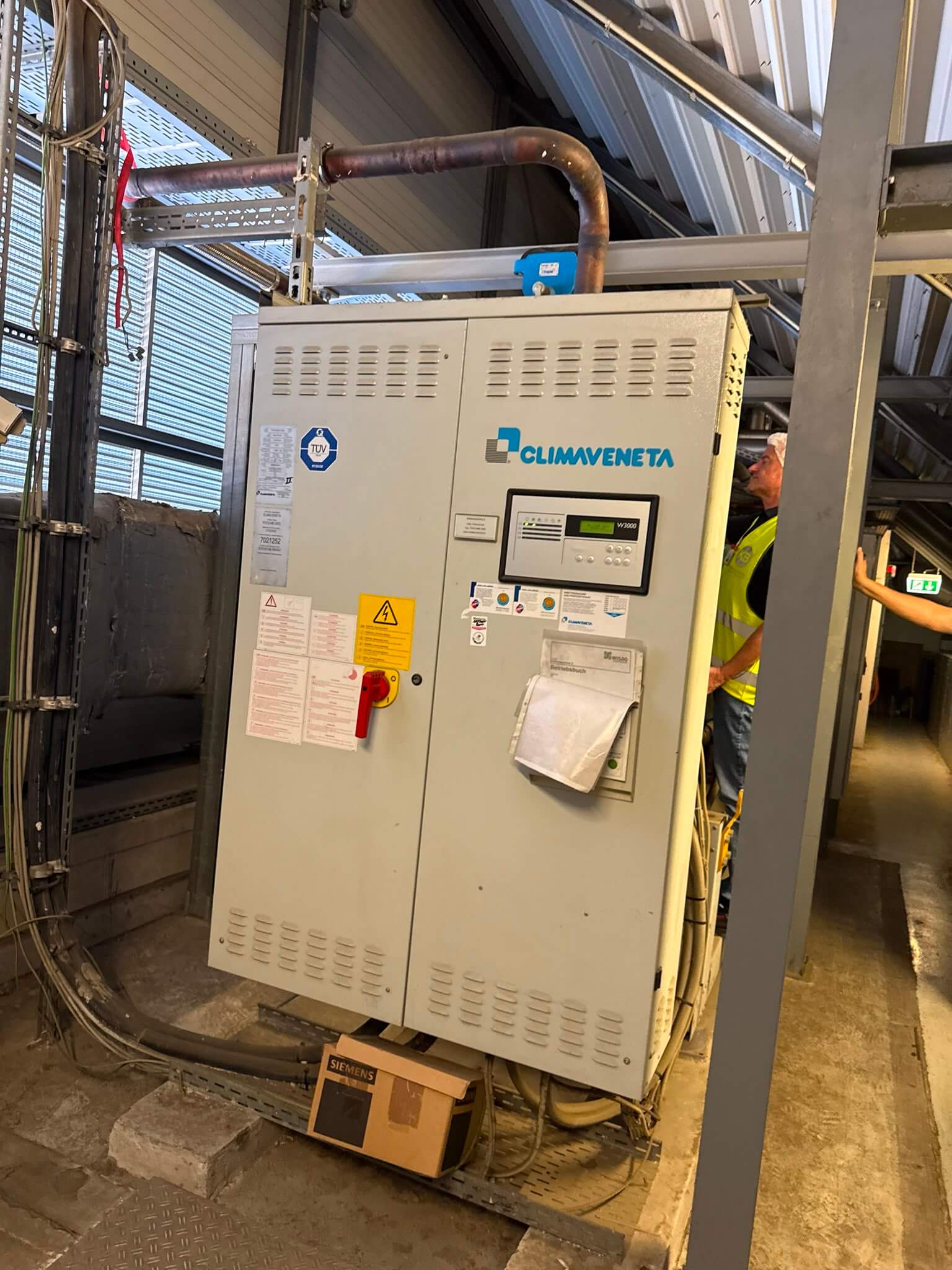
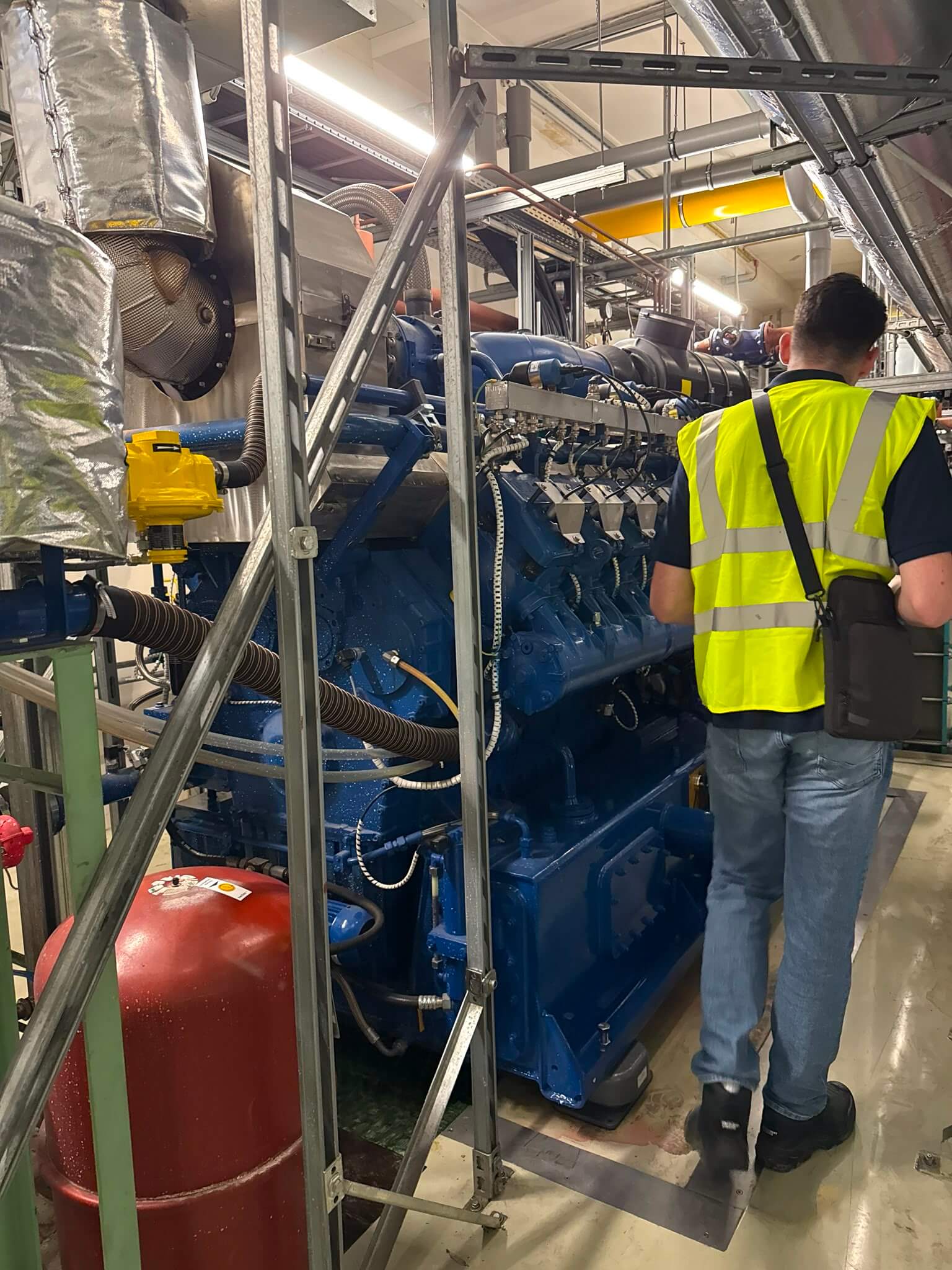
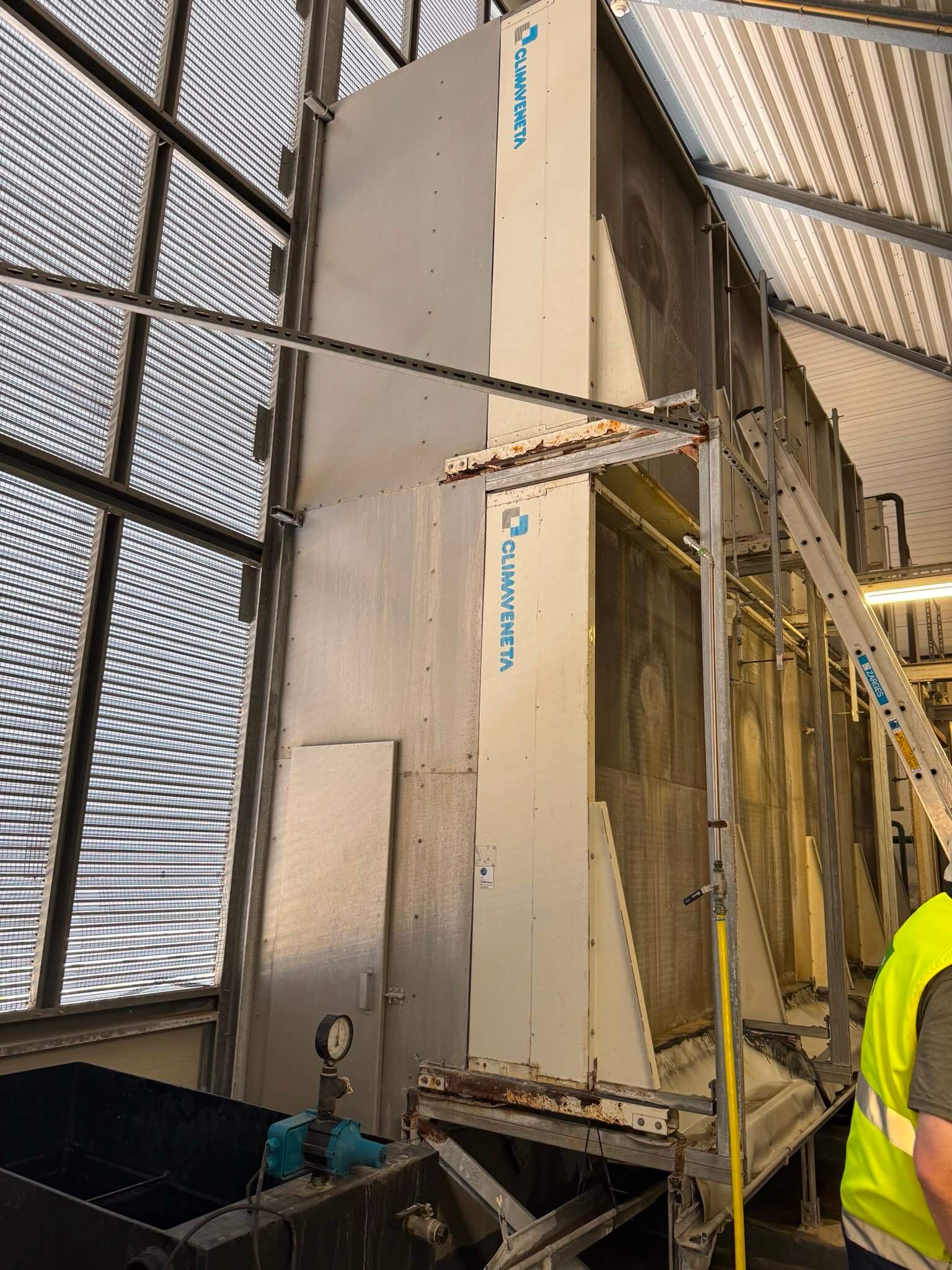
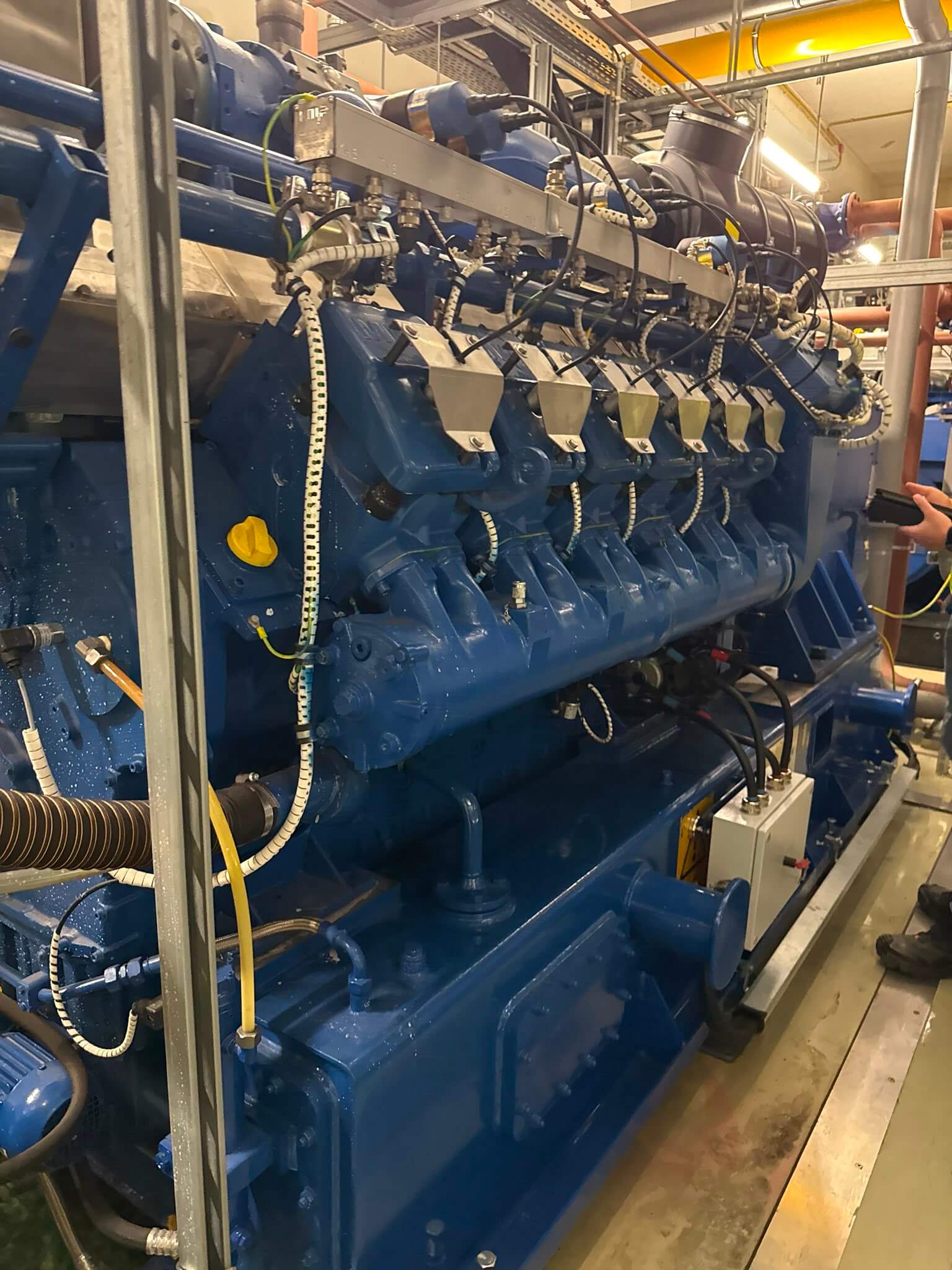
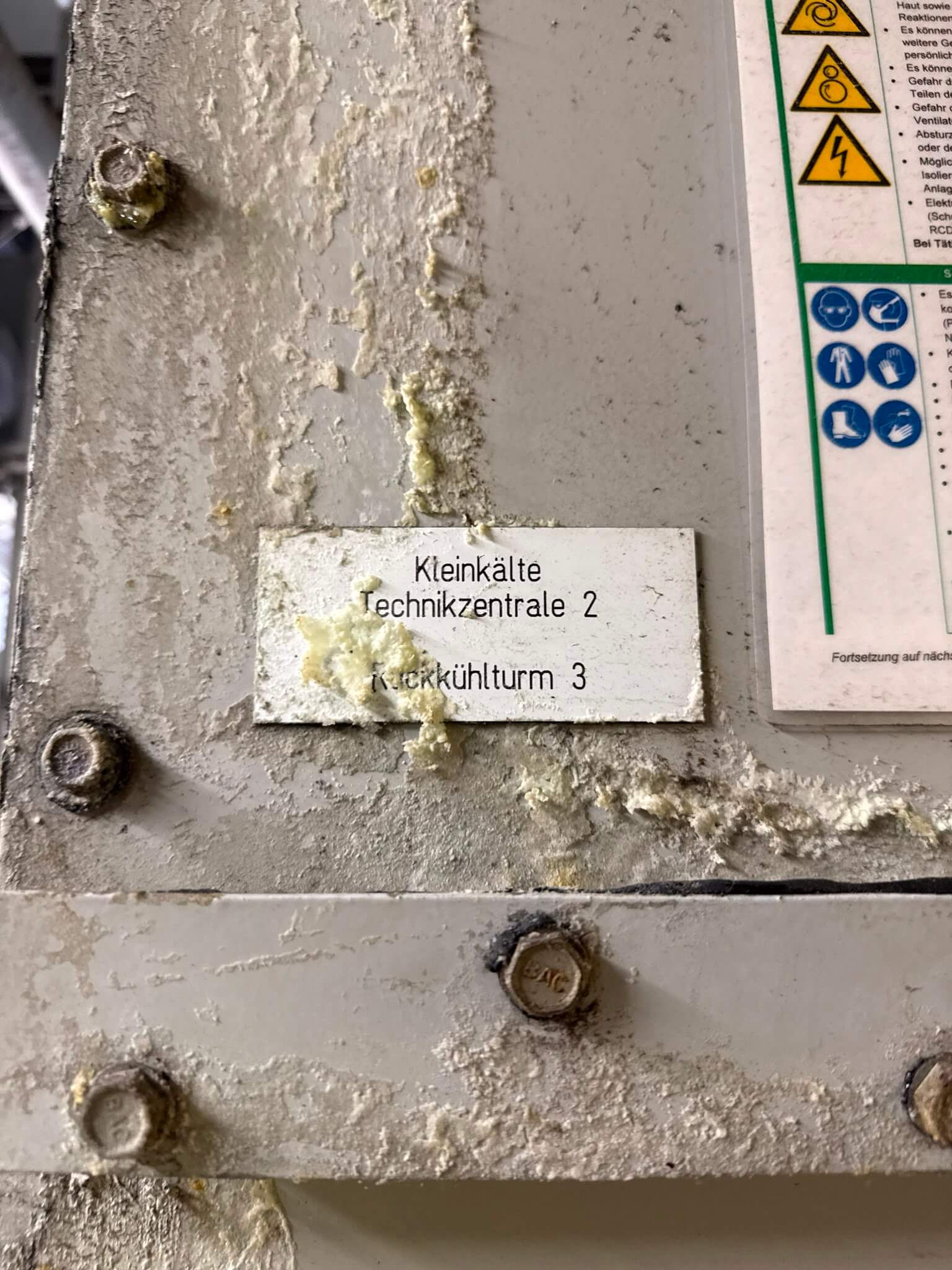
The first step involved a comprehensive inspection of the existing technical areas. The large-scale refrigeration systems, together with their associated components and supply systems, were initially recorded and assessed at a general level.

The main areas of focus included:

  • the technical condition of the existing systems,
  • their current operating modes,
  • the interaction between the individual systems,
  • potential energy-related dependencies,
  • identifiable potential for optimisation and modernisation.

This initial assessment provides the basis for the subsequent detailed evaluation. After all, it is not only the age or condition of an individual system that matters. Equally important is the question of how effectively the entire system still works together under today’s conditions.

What Made Sense Ten Years Ago May No Longer Be the Best Solution Today

Even if the basic plant configuration has remained largely unchanged over the years, the economic conditions surrounding its operation may have shifted significantly.

One example is the integration of a combined heat and power unit (CHP). Such a system generates electricity and heat simultaneously by burning gas. The heat produced can then be used to supply an absorption refrigeration system.

Whether this interaction is still economically viable today depends on a number of factors:

  • How have gas and electricity prices developed?
  • What are the current heating and cooling requirements?
  • How efficiently are the individual components operating?
  • Is the electricity generated on site more cost-effective than purchasing electricity from the grid?
  • Could the required refrigeration capacity be provided more efficiently by other systems?
  • Would continued operation, conversion, or decommissioning be the more appropriate solution?

A system may still be technically functional while no longer representing the most economical or energy-efficient solution.

Looking Beyond Individual Systems

At complex sites, it is therefore not sufficient to assess each refrigeration system in isolation. What matters is how the entire plant infrastructure interacts.

As the project progresses, the study will examine which systems can continue to be used effectively, where modernisation may be required, and which systems might need to be replaced or decommissioned. At the same time, the analysis considers how existing and future systems can be technically integrated with one another.

The objective is to develop a concept that takes several perspectives into account:

Technical:
Which solution is reliable, feasible, and suitable for long-term operation?

Energy-related and environmental:
How can energy consumption be reduced, and how can available energy be used as efficiently as possible?

Economic:
Which investments are required, and how are operating and energy costs likely to develop over the coming years?

From Site Inspection to Recommended Action

Following the initial assessment, the next step is the detailed evaluation of the information collected. Individual systems, operating modes, and energy flows are analysed more closely and compared with one another.

On this basis, the feasibility study will provide specific recommendations for the future direction of the site’s refrigeration supply. Depending on the findings, these recommendations may include the continued operation of individual components, their modernisation or replacement, or the decommissioning of certain systems.

A future-proof refrigeration supply does not automatically begin with installing a new system. It begins with a sound assessment of what is already in place – and with the question of which solution is technically, environmentally, and economically the most appropriate under today’s conditions.


KB - KälteBeratung - Logo in Blau

Der direkte Draht zur KB Kälteberatung

Falls Sie Fragen haben, Informationen benötigen oder ein persönliches Gespräch wünschen, nehmen Sie Kontakt mit uns auf. Gerne unterstützen wir Sie bei Ihrem Projekt.

  • +49 (0) 261 / 988 223 0
  • +49 (0) 261 / 988 223 23