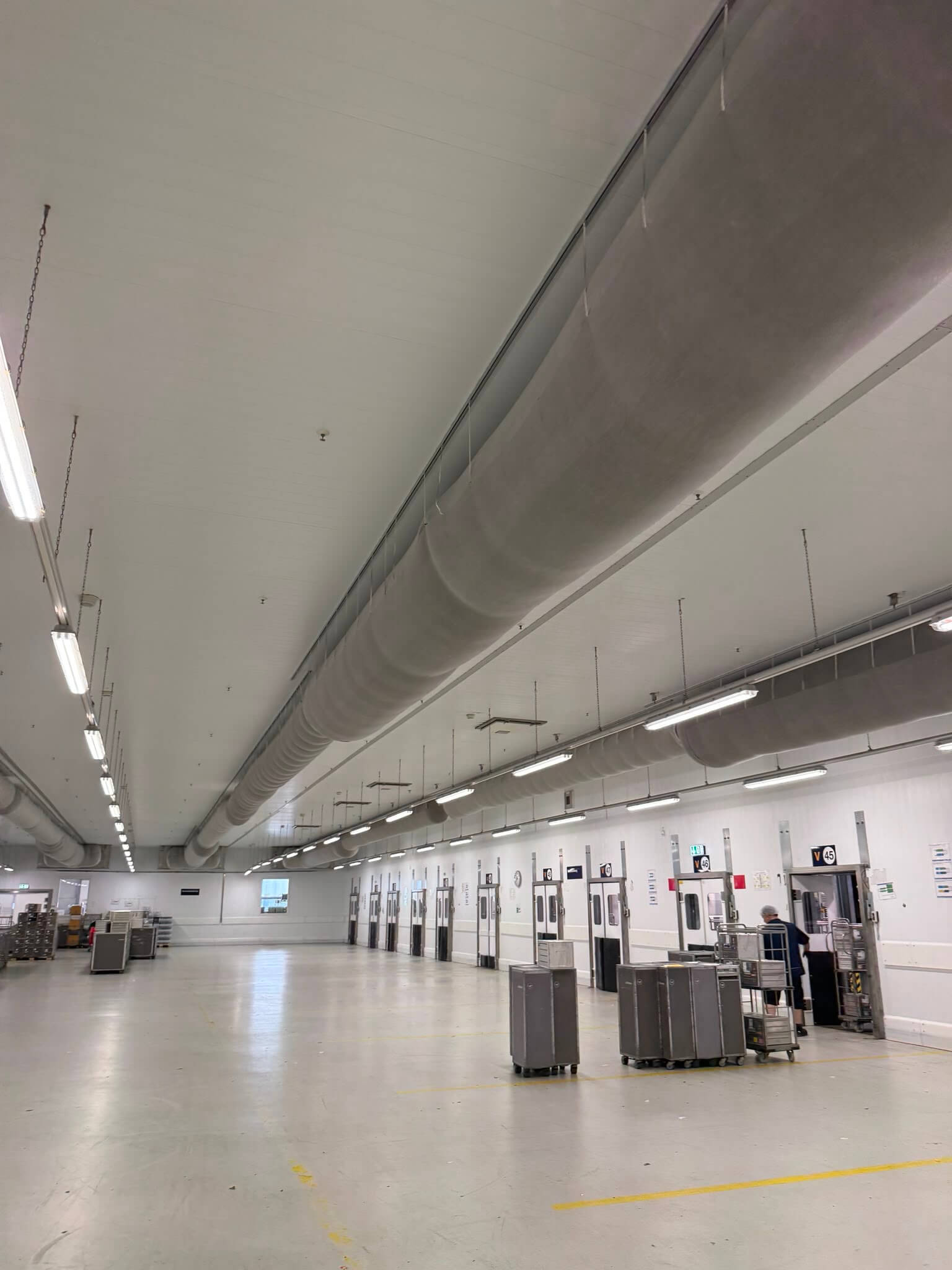
Looking Beyond Individual Systems
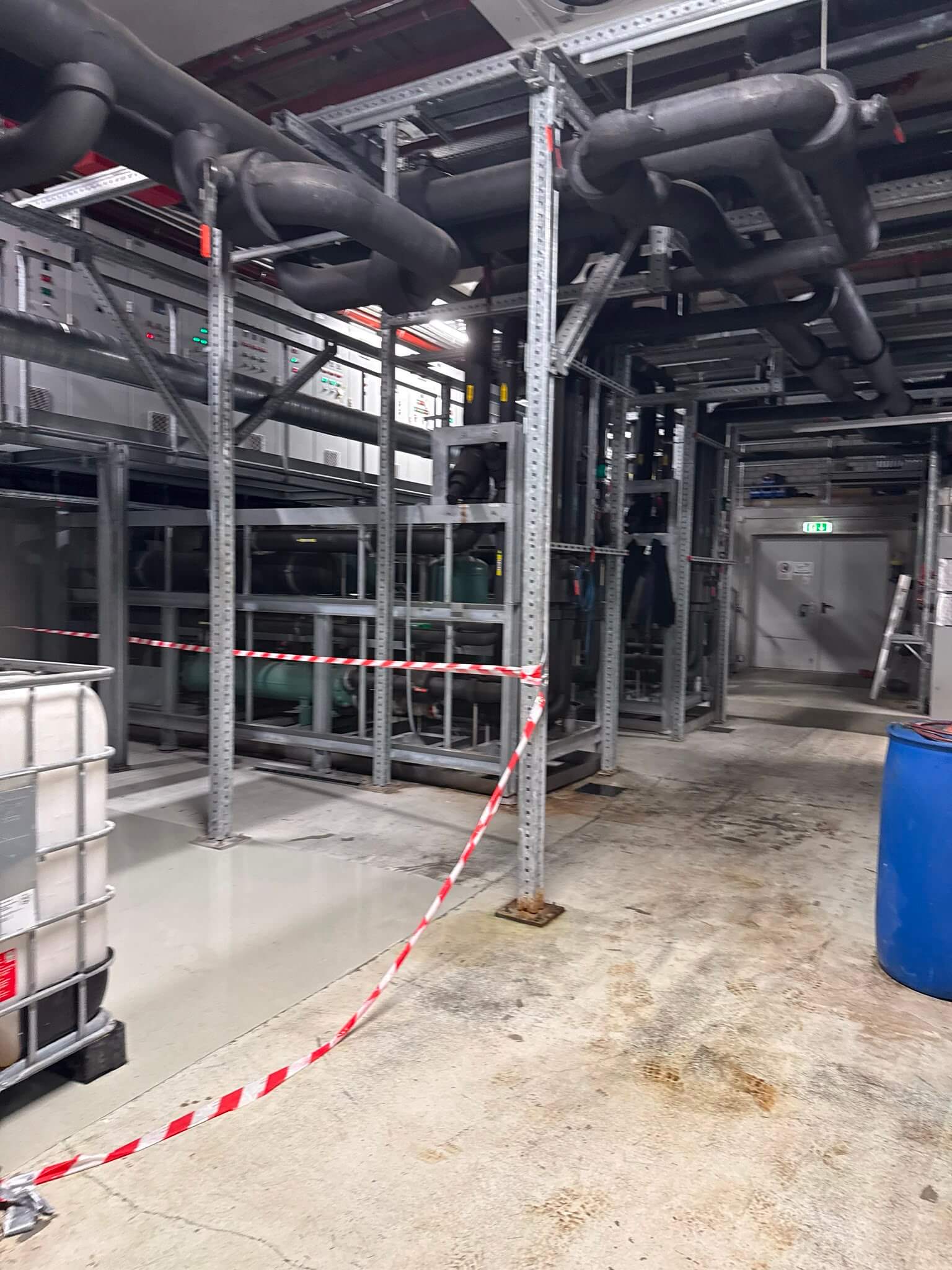
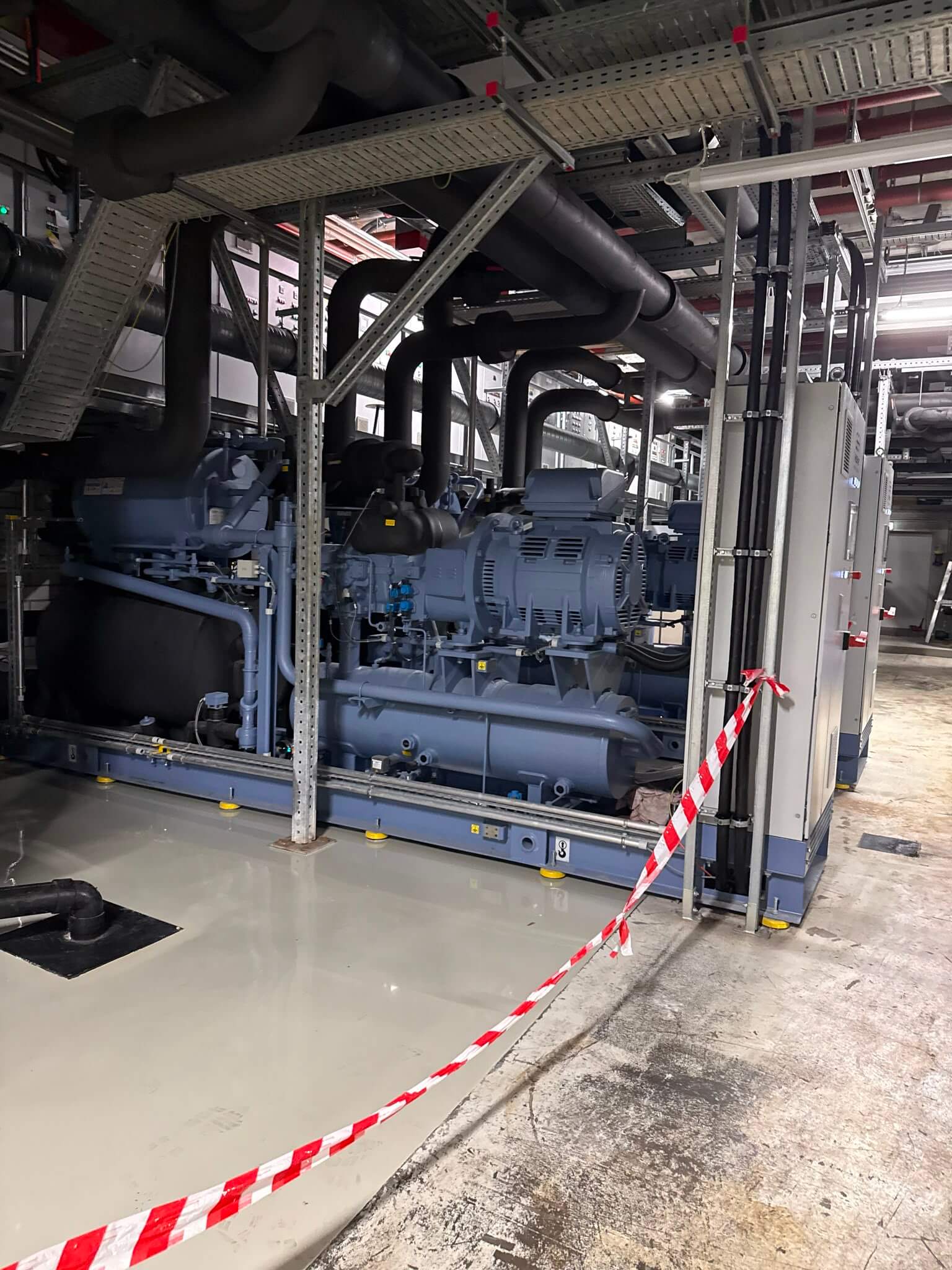
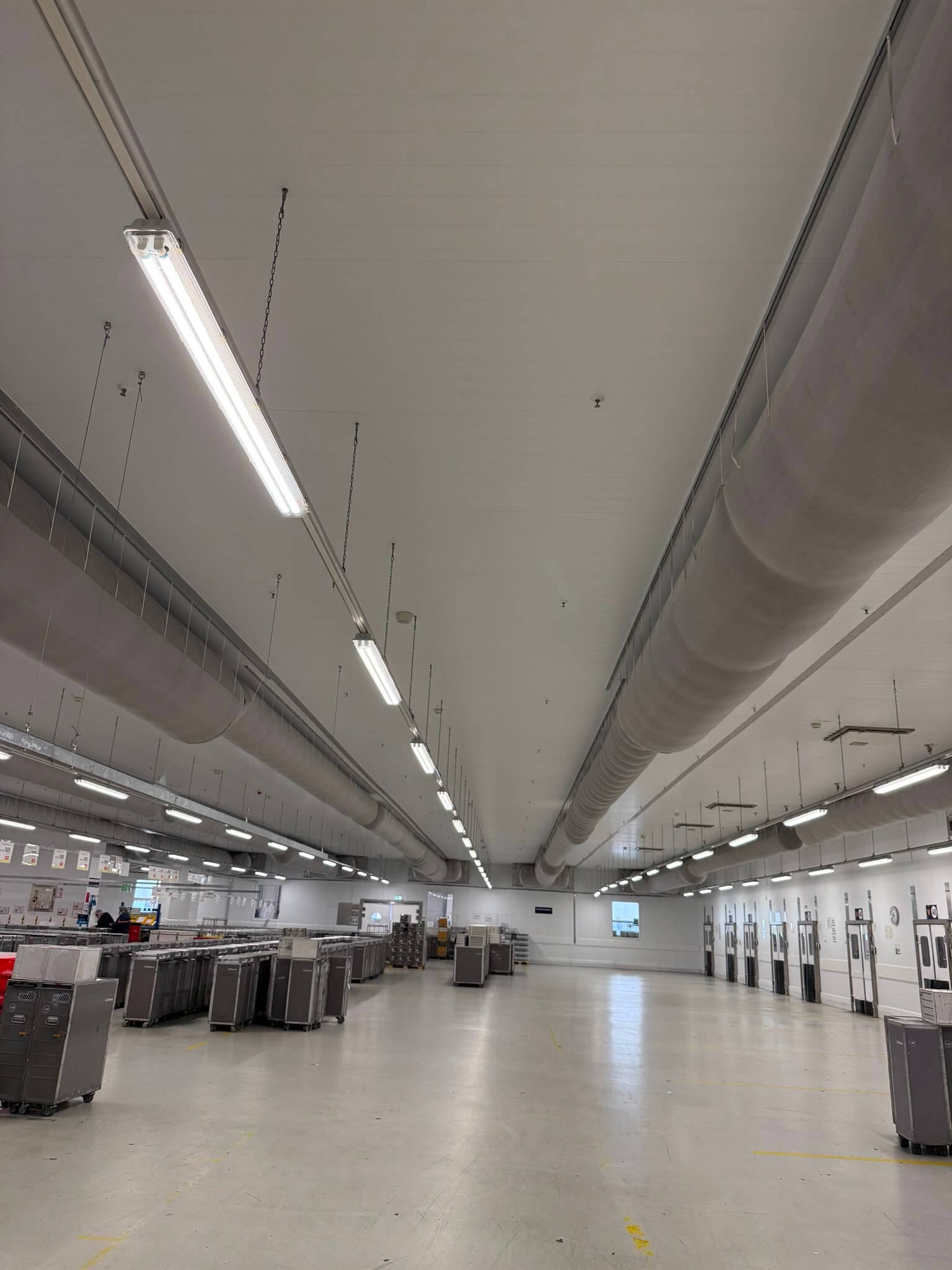
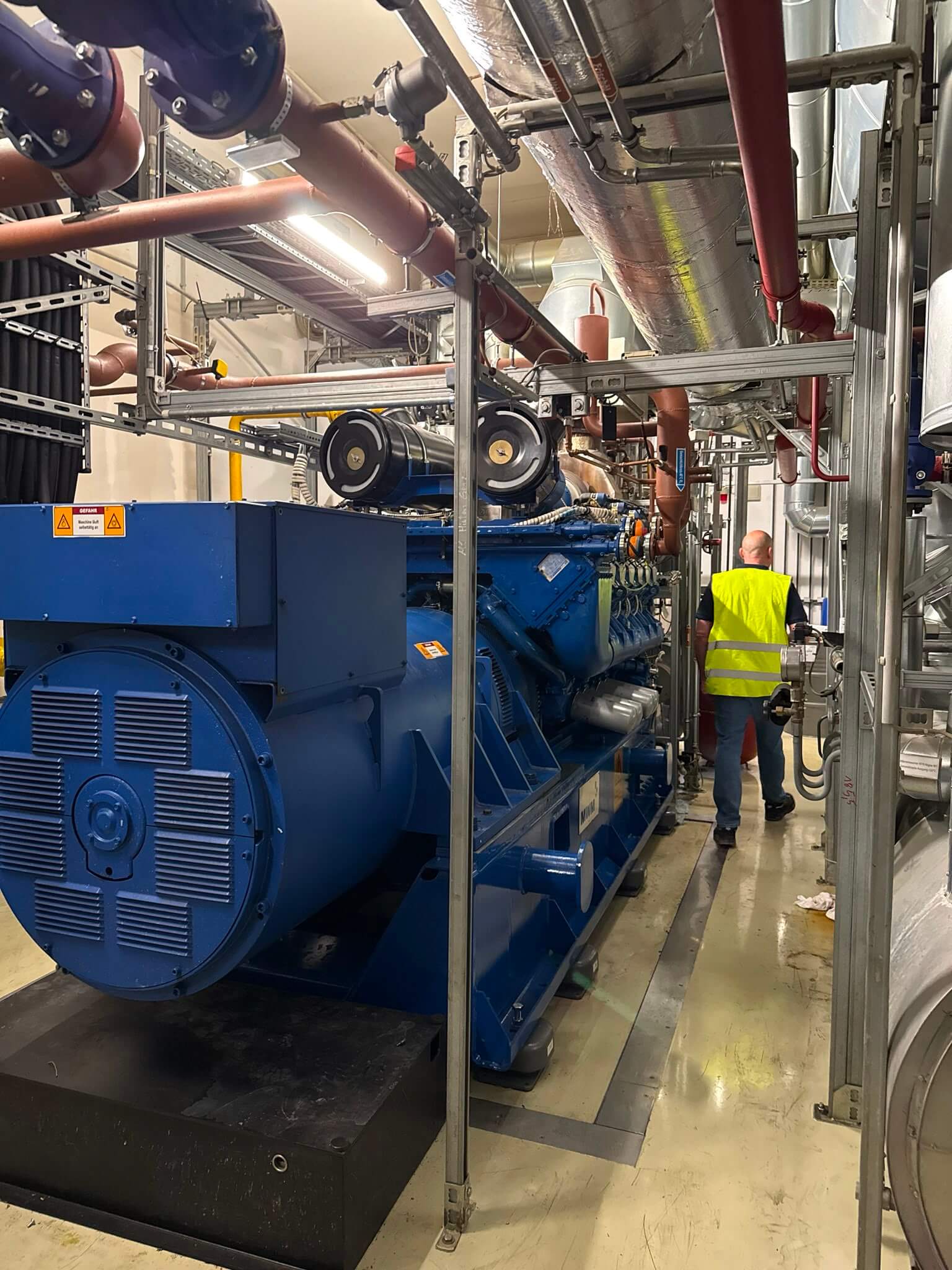
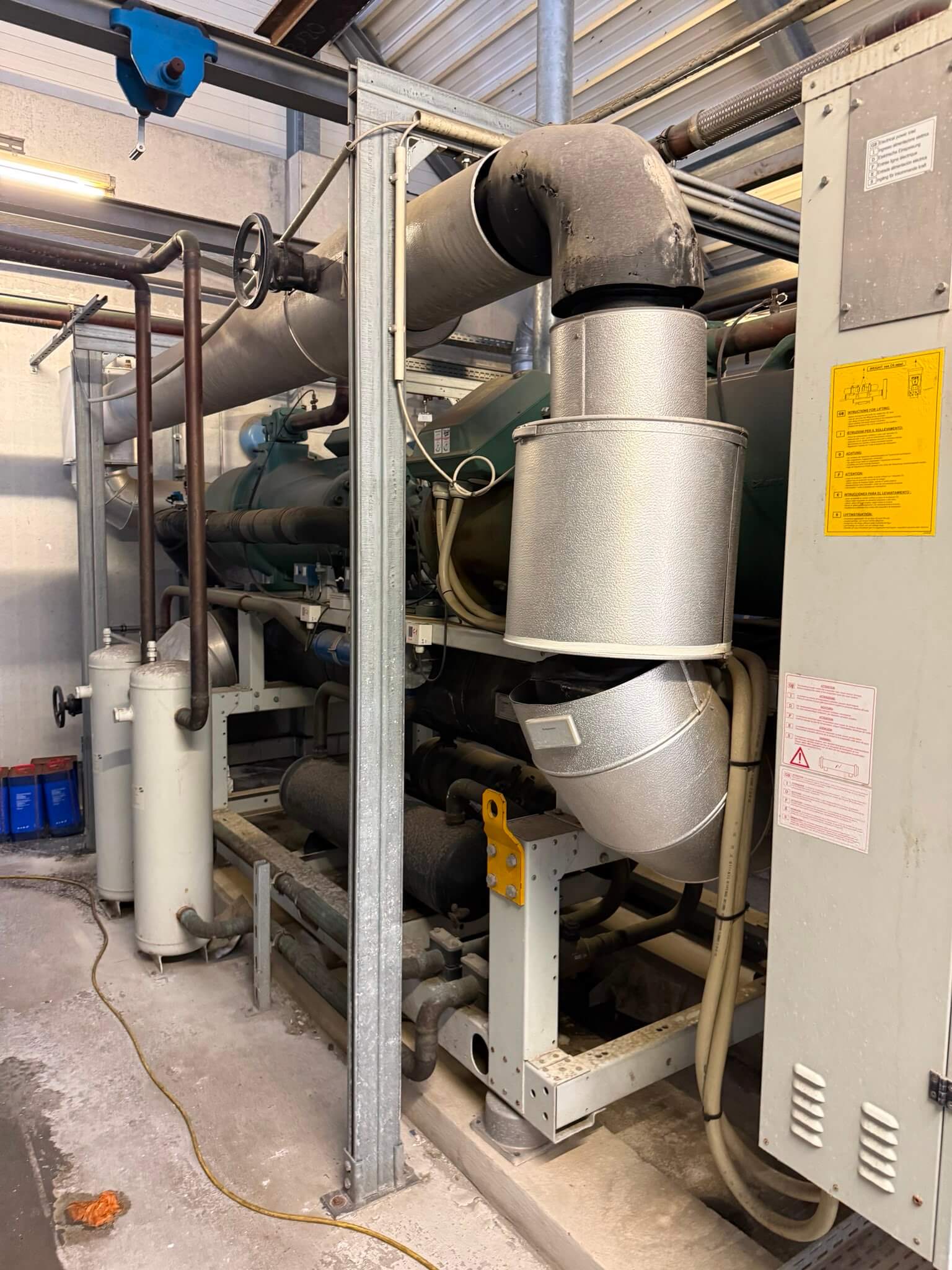
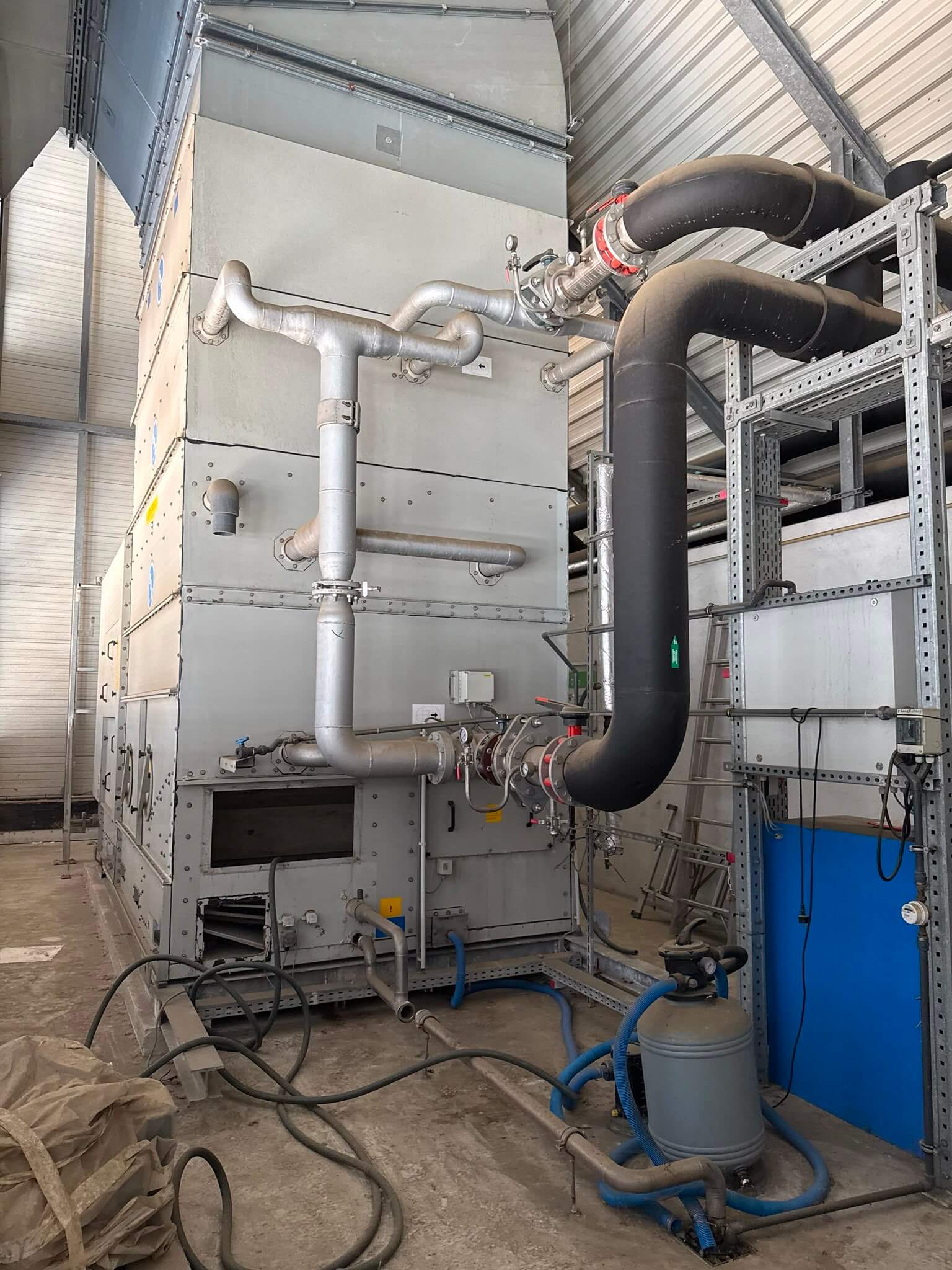
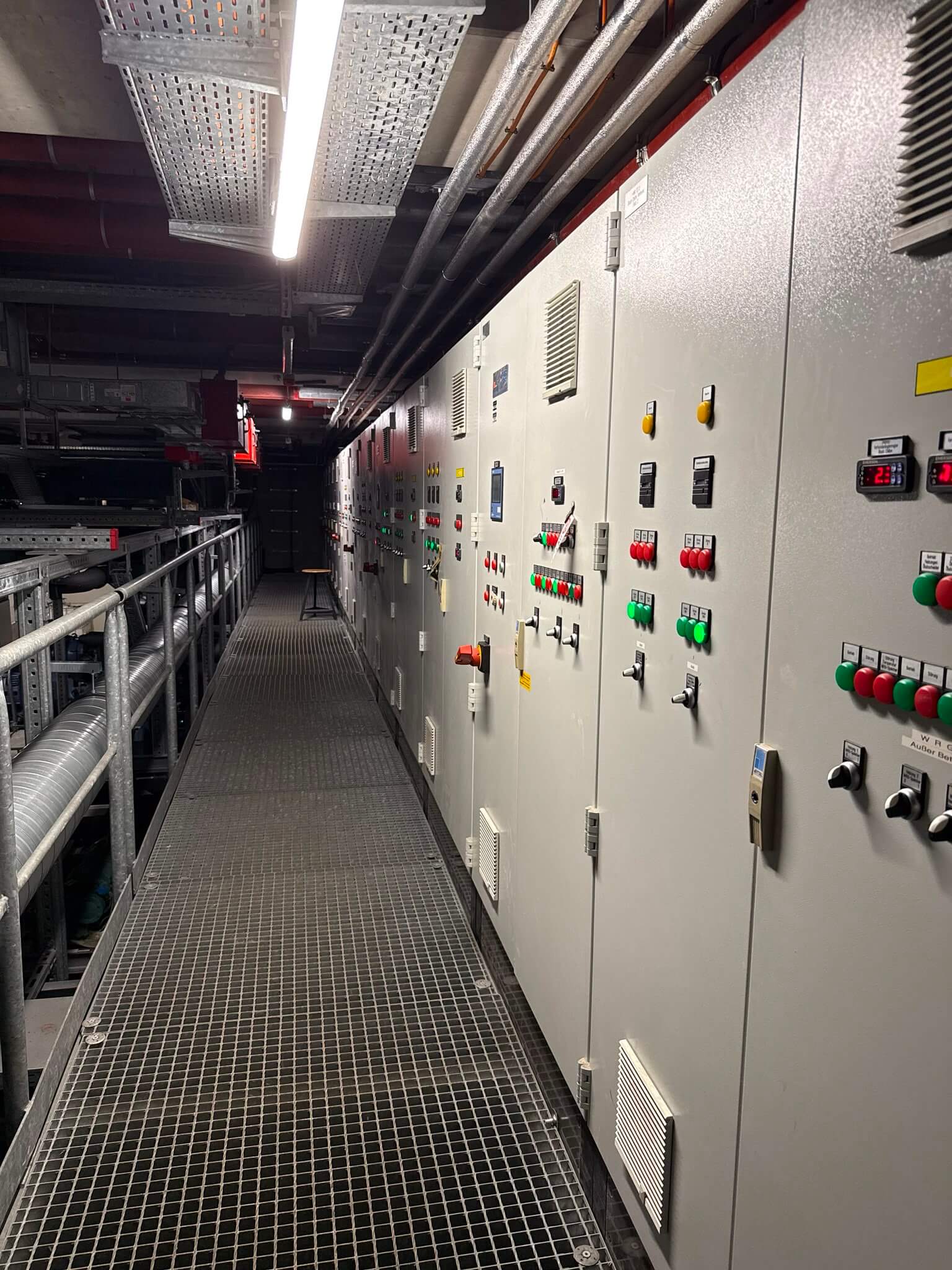
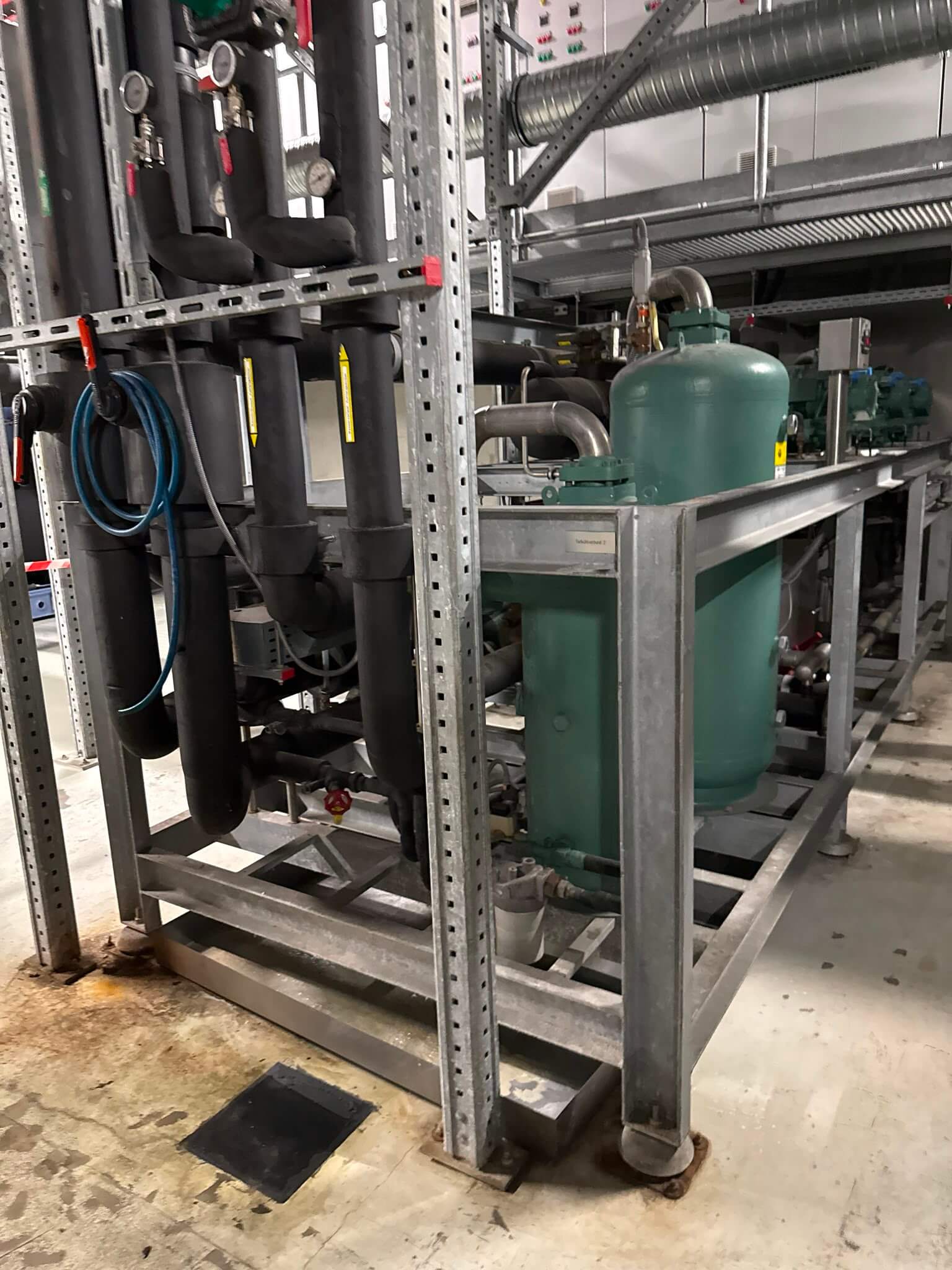
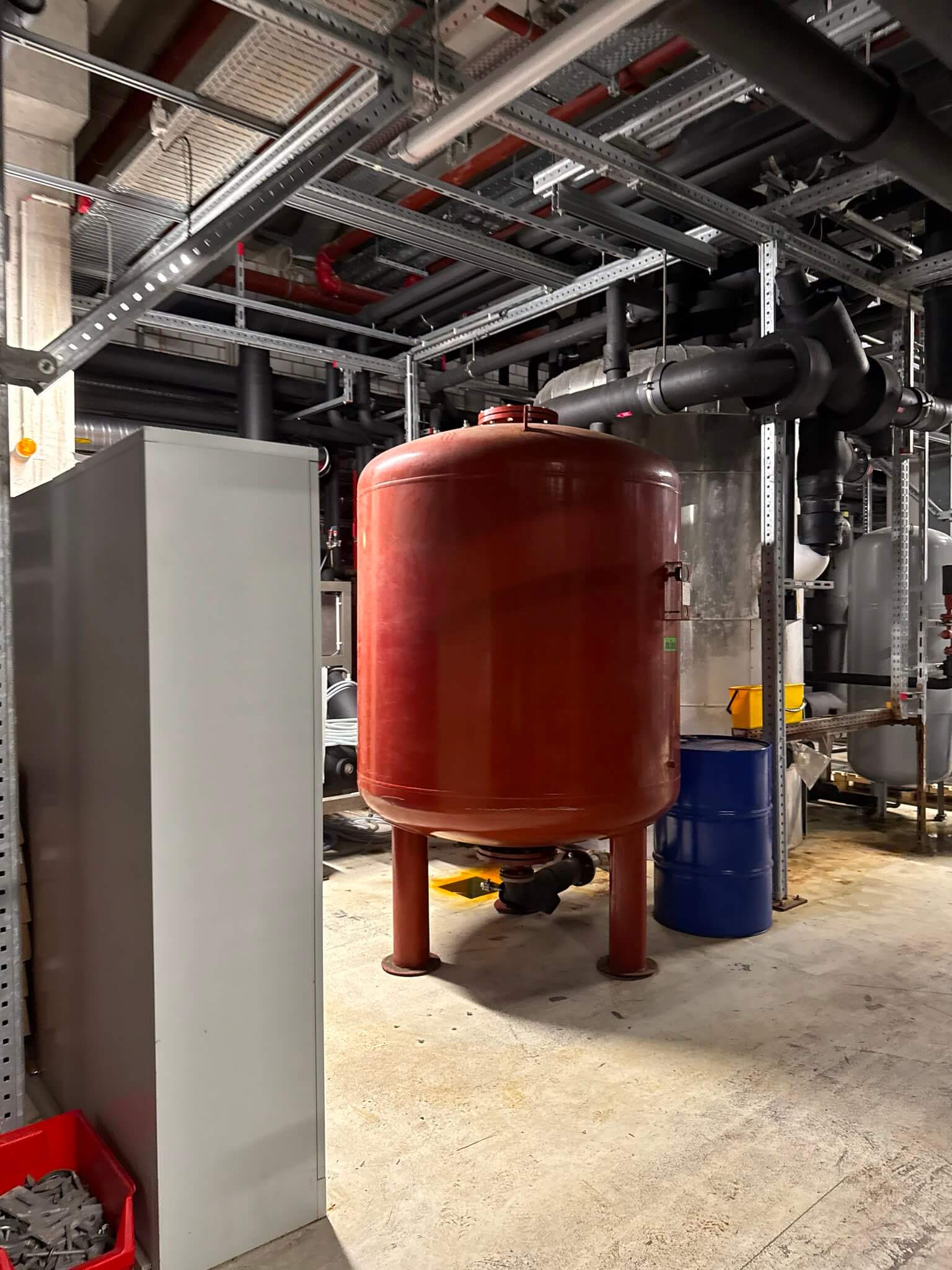
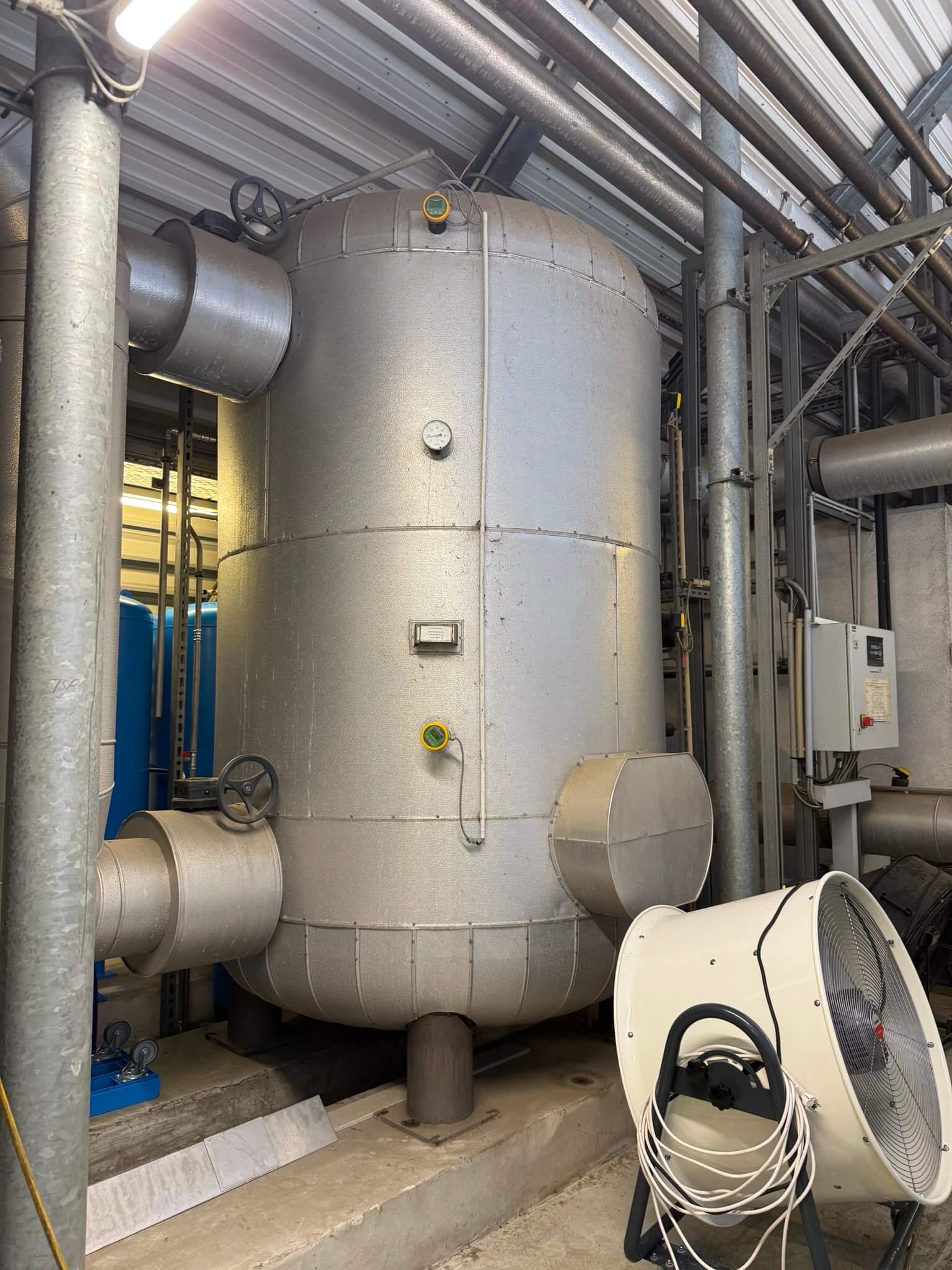
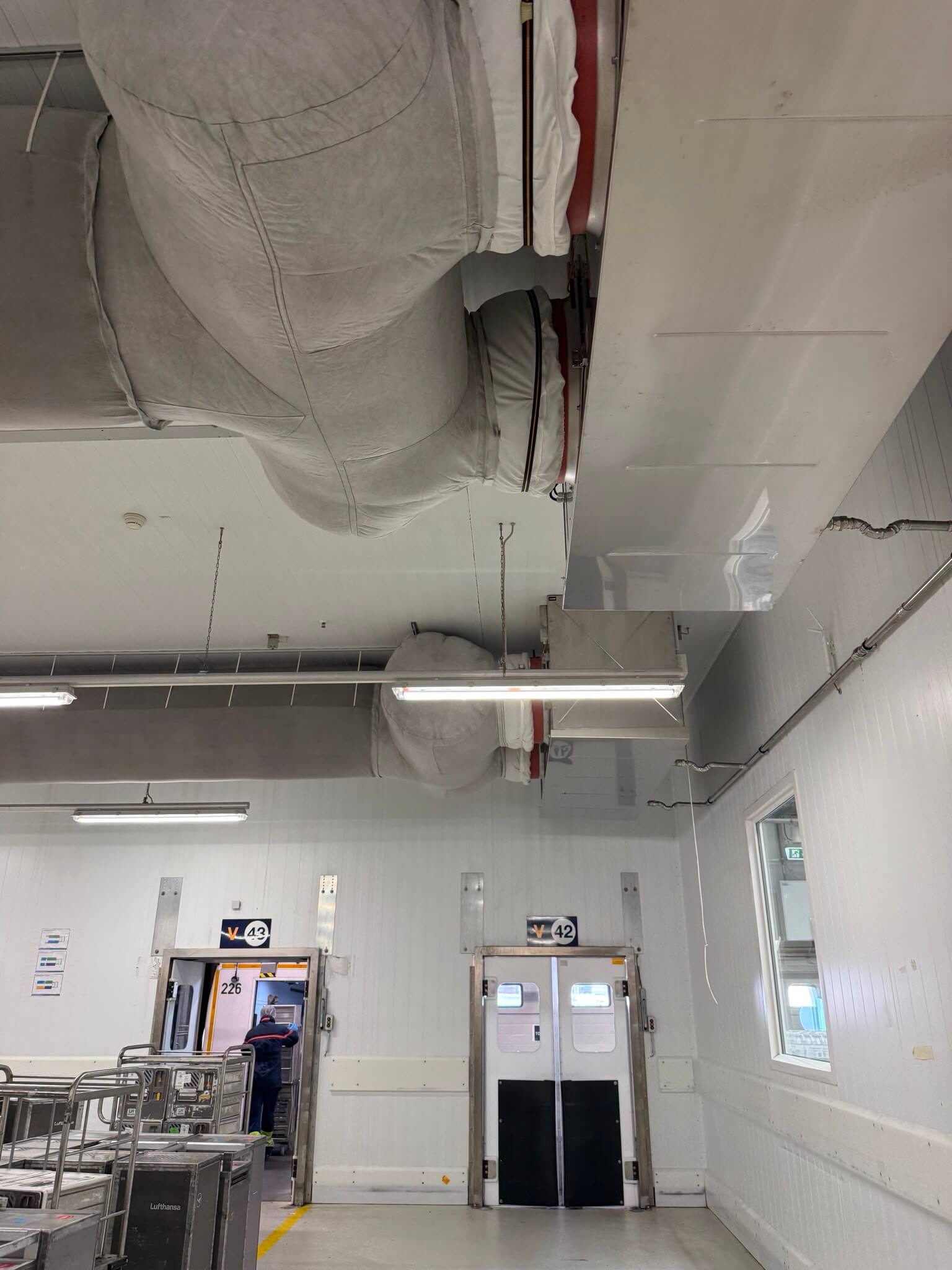
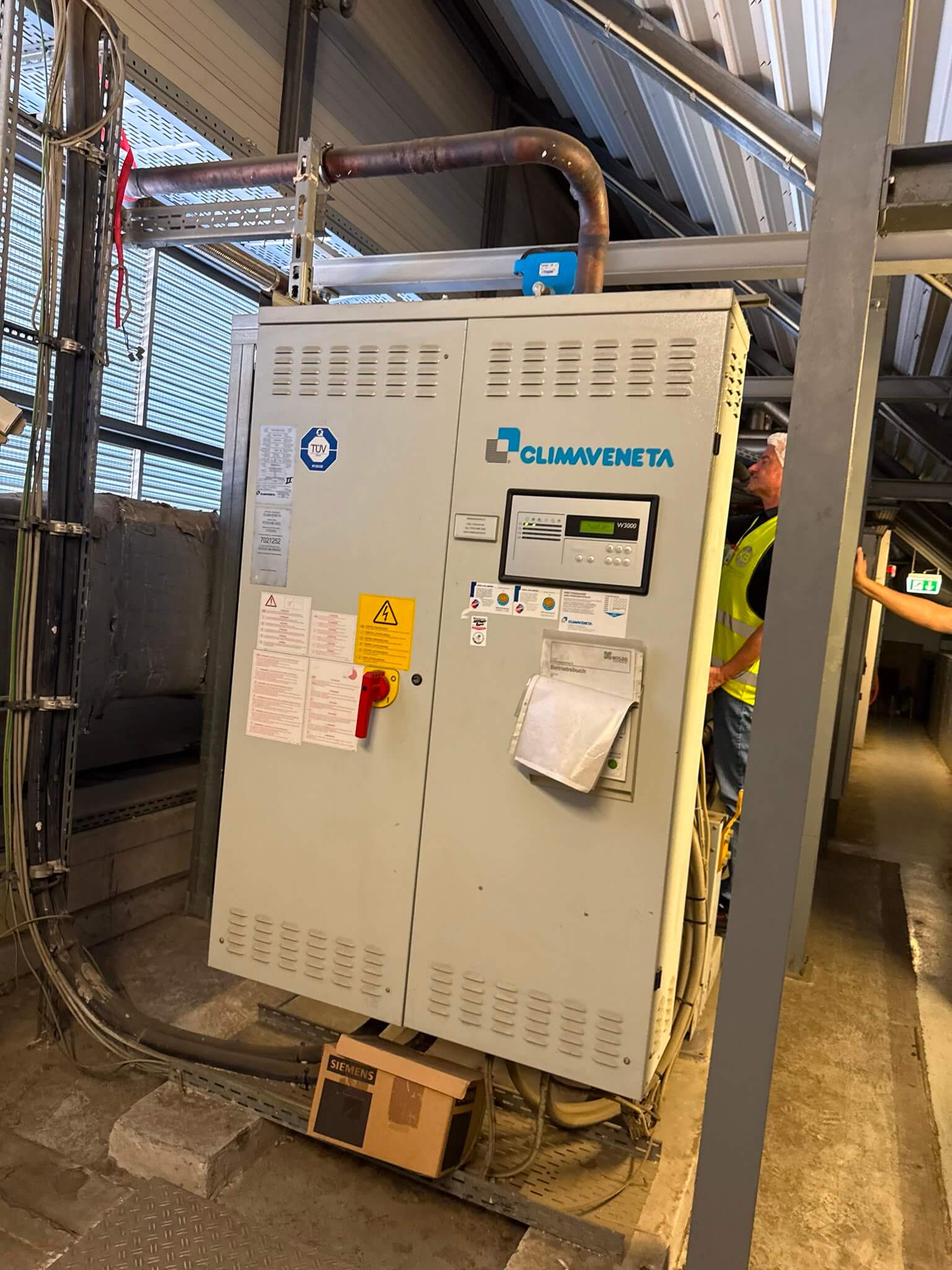
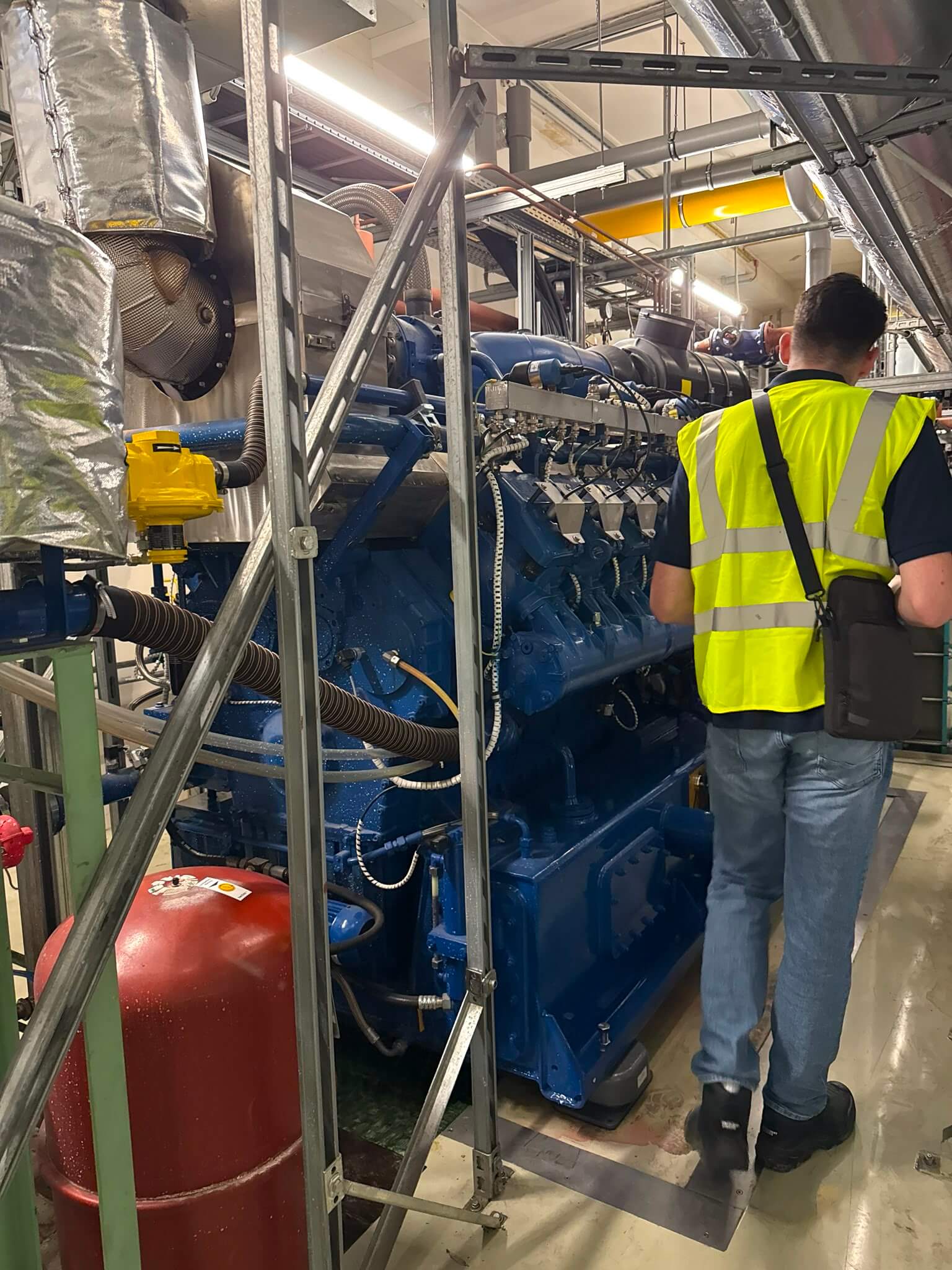
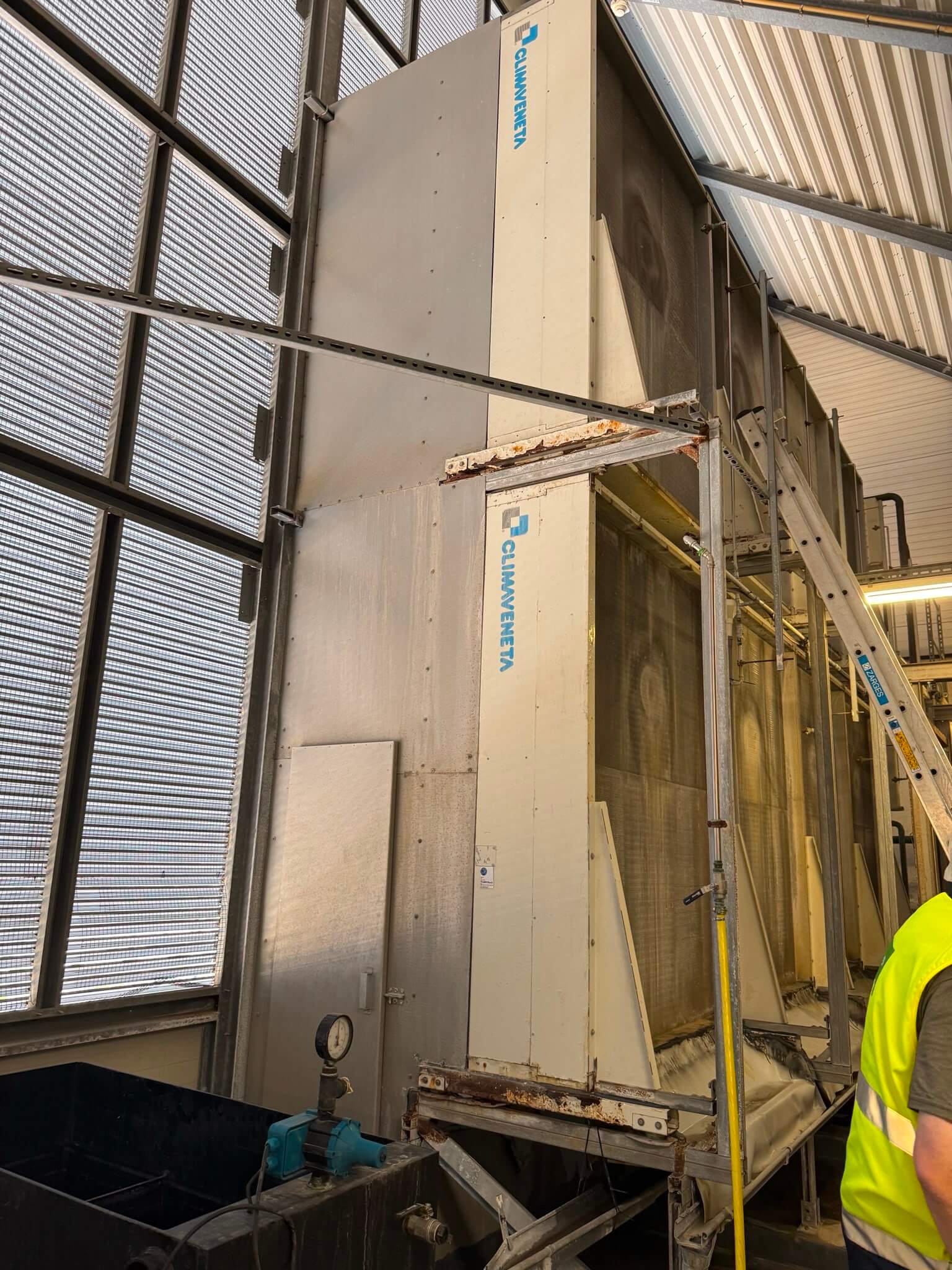
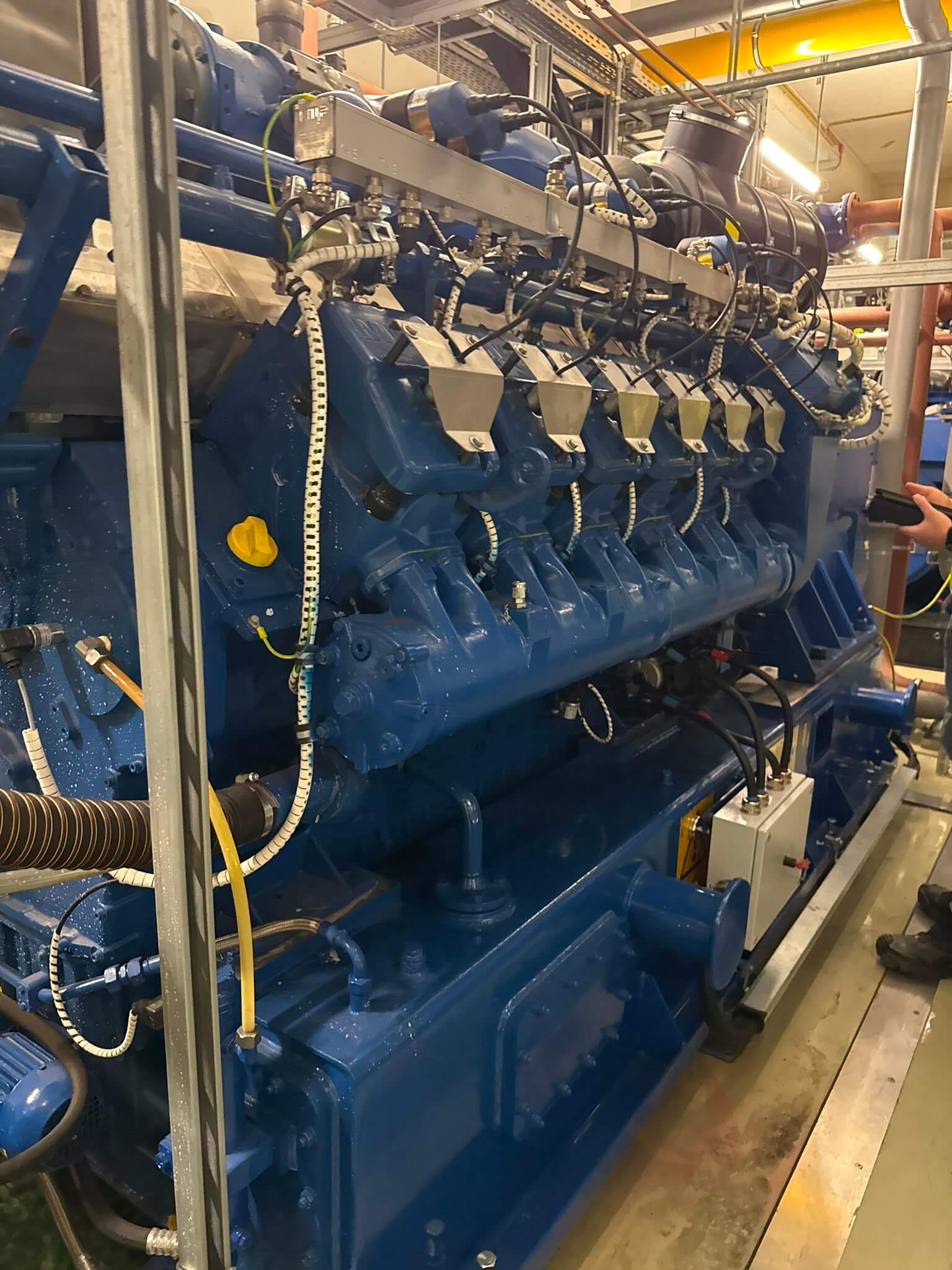
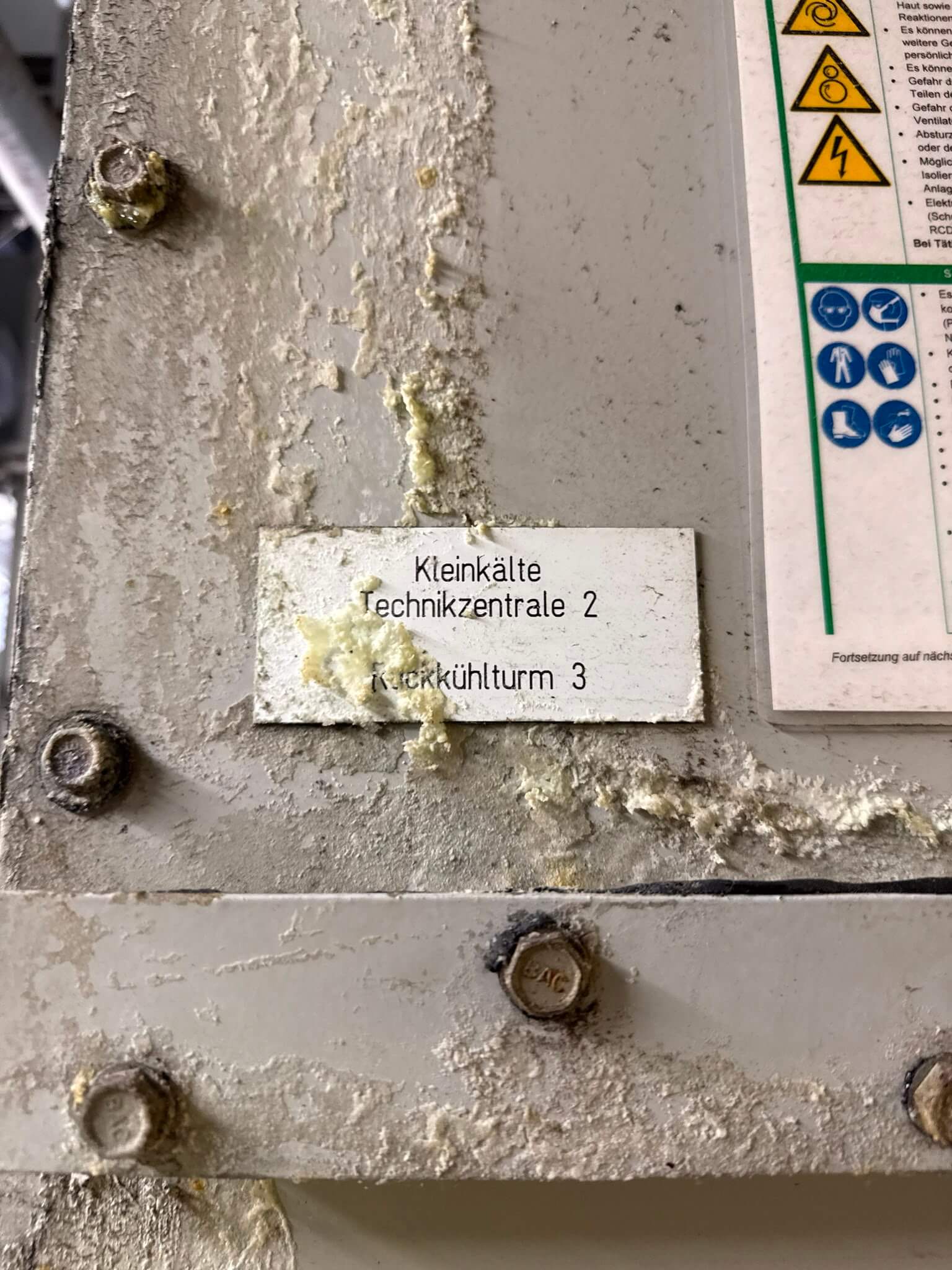
At complex sites, it is therefore not sufficient to assess each refrigeration system in isolation. What matters is how the entire plant infrastructure interacts.
As the project progresses, the study will examine which systems can continue to be used effectively, where modernisation may be required, and which systems might need to be replaced or decommissioned. At the same time, the analysis considers how existing and future systems can be technically integrated with one another.
The objective is to develop a concept that takes several perspectives into account:
Technical:
Which solution is reliable, feasible, and suitable for long-term operation?
Energy-related and environmental:
How can energy consumption be reduced, and how can available energy be used as efficiently as possible?
Economic:
Which investments are required, and how are operating and energy costs likely to develop over the coming years?
From Site Inspection to Recommended Action
Following the initial assessment, the next step is the detailed evaluation of the information collected. Individual systems, operating modes, and energy flows are analysed more closely and compared with one another.
On this basis, the feasibility study will provide specific recommendations for the future direction of the site’s refrigeration supply. Depending on the findings, these recommendations may include the continued operation of individual components, their modernisation or replacement, or the decommissioning of certain systems.
A future-proof refrigeration supply does not automatically begin with installing a new system. It begins with a sound assessment of what is already in place – and with the question of which solution is technically, environmentally, and economically the most appropriate under today’s conditions.